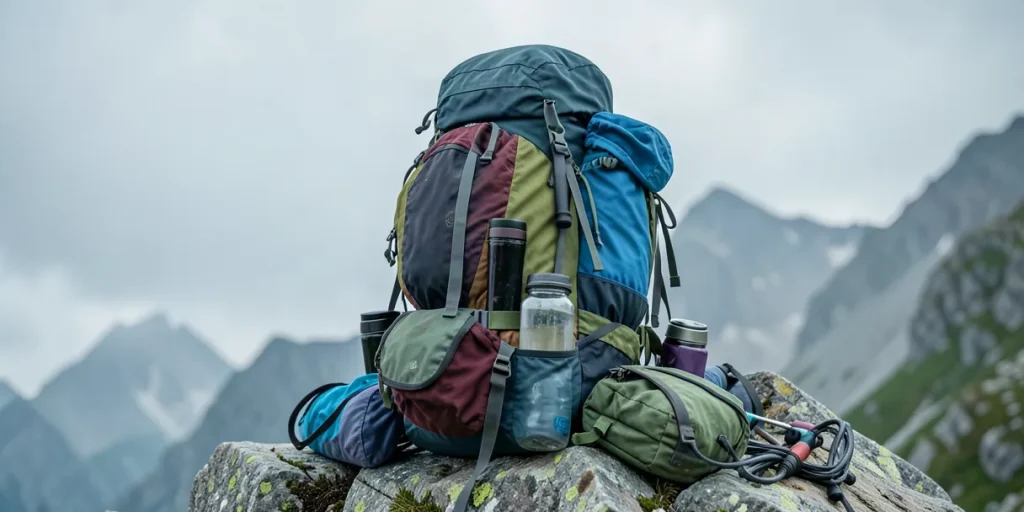
Introduction: What You Need to Know Before Traveling to the Mountains
Traveling to mountain regions is a unique adventure that requires careful preparation. The main goals are to ensure safety and health amid sudden temperature changes, thin air, and limited medical access. Already at the planning stage, it’s important to consider the climate, terrain, and physical demands. For example, acclimatization above 2500 meters reduces the risk of altitude sickness, while properly selected gear helps retain warmth and prevent injuries.
Physical Conditioning and Training Regimen
Physical preparation is the foundation for a successful ascent and comfortable stay in the mountains. It is recommended to start training at least 4–6 months before the trip. The main focus is on endurance and strengthening the cardiovascular system.
Key Training Recommendations
- Daily hikes ranging from 4 to 6 km with gradual increases in distance and elevation gain.
- Cardio workouts: running or cycling for 30 to 45 minutes, 3–4 times a week.
- Exercises to strengthen leg and core muscles, including squats and planks.
- Training with a backpack weighing 6–8 kg to simulate hiking load.
Start hiking no later than one month before departure, focusing on uneven terrain or mountainous trails. This preparation lowers injury risk and improves adaptation to physical stress.
Gear and Equipment: What to Bring
Properly chosen equipment guarantees safety and comfort. Key criteria are durability, lightness, and functionality.
Essential Gear for Mountain Travel
- Footwear: hiking boots with rigid soles and waterproof membranes, such as Salomon Quest 4D GTX, priced around 18,000 ₽.
- Clothing based on layering: a base layer of Icebreaker Merino thermal underwear (starting at 7,000 ₽), an insulating fleece layer, and an outer waterproof membrane layer.
- First aid kit with antiseptics, painkillers, and remedies for altitude sickness.
- Backpack with a volume of 50–65 liters, for example, Deuter Aircontact Pro 65+15, costing between 25,000 and 30,000 ₽.
- Paper map of the area and a GPS navigator Garmin GPSMAP 66i, around 50,000 ₽.
- Rain protection: a Gore-Tex rain poncho and a backpack cover.
| Model | Weight, g (pair) | Price, ₽ |
|---|---|---|
| Salomon Quest 4D GTX | 1350 | 18 000 |
| La Sportiva Nucleo High GTX | 1400 | 20 500 |
| Merrell Moab 3 Mid GTX | 1250 | 13 000 |
Acclimatization and Prevention of Altitude Sickness
High altitude is associated with oxygen deficiency, which can cause altitude sickness. Main symptoms include headache, nausea, and weakness. To reduce risk, it is important to follow acclimatization guidelines.
Altitude Adaptation Rules
- Ascend above 2500 m gradually, no more than 300–500 m per day after the first night.
- During the first 2–3 days avoid intense physical activity and drink sufficient fluids (at least 3 liters a day).
- If symptoms like headache or shortness of breath appear, take a 1–2 day break or descend to a lower altitude.
- Use medications like acetazolamide (Diamox) only under medical advice for prevention or treatment.
Nutrition and Hydration in the Mountains
Energy expenditure in the mountains is significantly higher, so the diet should be light but high in calories and balanced.
What to Take on the Hike
- High-calorie dry foods — nuts, dried fruits, energy bars (for example, Clif Bar, about 150 ₽ each).
- Freeze-dried and instant meals that take little space and prepare quickly.
- Plenty of fluids: water or isotonic drinks, plus a water purification device like the Sawyer Mini filter (about 3500 ₽).
- Avoid heavy and fatty foods that slow digestion and reduce performance.
Safety and Navigation on the Route
Mountain conditions require heightened attention to safety. It is important to have navigation skills and communication means for emergencies.
Main Recommendations
- Use paper maps and GPS devices simultaneously for reliability.
- Plan your route in advance, considering weather conditions and trail difficulty.
- Always inform family or rescue services about your planned route and return time.
- Carry signaling devices: whistle, mirror, flashlight.
Frequently Asked Questions
What level of physical fitness is required for a mountain hike?
What is the best footwear for a mountain hike?
How to avoid altitude sickness?
What food is best to take on a mountain hike?
How to ensure safety on the route?
Key Takeaways
- Consistent physical training 4–6 months before the trip greatly improves the chances of a successful ascent.
- Gear should be lightweight, waterproof, and layered to adapt to weather conditions.
- Acclimatization above 2500 m is essential to prevent altitude sickness.
- Mountain diets must be high in calories and light, with mandatory consumption of at least 3 liters of fluids daily.
- Careful planning and safety adherence are crucial to preserving health and life in the mountains.
Conclusion
Traveling to mountain regions is always a challenge that demands a comprehensive preparation approach. Thorough training, selecting the right gear, proper acclimatization, and well-planned nutrition ensure comfort and safety. Equally important is following navigation rules and carrying necessary communication devices. This approach allows you to maximize your experience and minimize risks in the harsh yet captivating mountain environment.
Sources
- freedom-travel.kz — “What to Take on a Trip: A List of Essential Travel Items✈️”
- skitalets.ru — “Methodological Recommendations for Organizing Mountain Trips”
- poehali.tv — “This Is Not a Plain: How to Properly Prepare for…”
- gluboki-turizm.ru — “Mountain Tourism for Beginners: Rules, Preparation, What to Bring”
- podnebesnie.ru — “Mountain Altai — A Tourist Region”