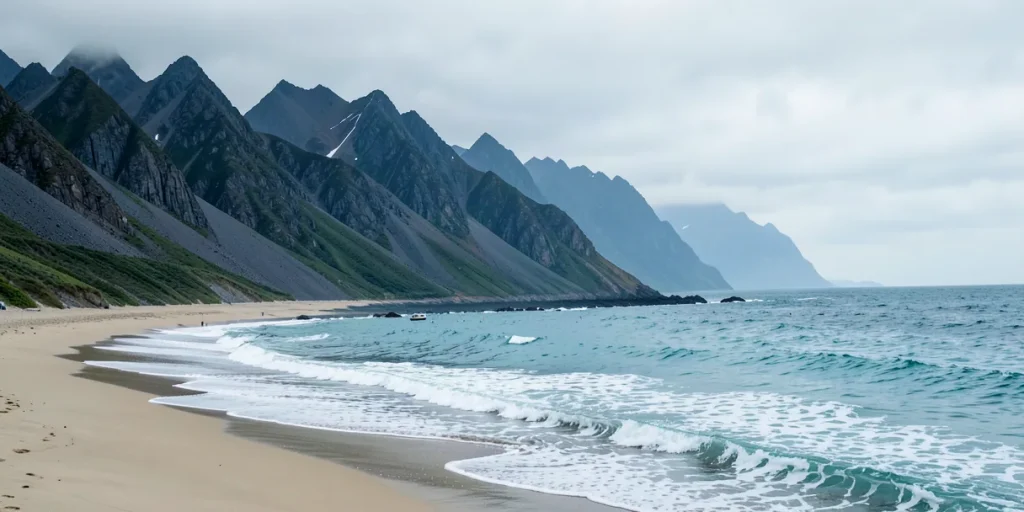
What Are the Main Differences Between Mountain and Sea Vacations for Health?
Mountain and sea vacations have different impacts on the body: mountains help improve the respiratory system and increase endurance, whereas sea air helps reduce stress levels and improve skin condition. The choice depends on an individual’s needs and health status.
For example, staying at altitudes of 1500–2500 meters in the mountains stimulates red blood cell production, enhancing oxygen exchange, which is beneficial for chronic fatigue. Sea vacations, on the other hand, are characterized by exposure to iodine ions and sea salt, which help normalize immunity and reduce anxiety levels.
How Does Mountain Air Affect a Person’s Physical Condition?
Mountain air is rich in oxygen and low in allergens and pollutants, which benefits the respiratory system and cardiovascular health. According to studies, spending time in the mountains at altitudes between 1500 and 2500 meters improves lung ventilation by approximately 10-15% over a week of rest.
Benefits of Mountain Air
- Stimulates blood formation and increases hemoglobin levels
- Reduces symptoms of bronchial asthma and allergies
- Strengthens the immune system thanks to clean air
Popular mountain resorts where these effects can be experienced include Dombay in Russia and Chamonix in France, with weekly tour prices starting from 30,000 ₽ per person.
What Are the Mental Health Benefits of Sea Vacations?
Sea vacations help reduce stress levels and improve emotional well-being thanks to the sea air, which is rich in iodine and magnesium. Inhaling this air decreases cortisol, the stress hormone, as confirmed by psychophysiological research.
Effects of the Sea on Mood
- Reduces anxiety and depressive symptoms
- Improves sleep quality due to the relaxing sound of waves
- Enhances overall sense of well-being and energy
Popular seaside destinations include Sochi and Crimea, where the average cost of a week’s stay ranges from 20,000 to 40,000 ₽, making sea vacations accessible to a wide audience.
How Do Mountain and Sea Vacations Affect Physical Activity?
Mountain vacations are often associated with active sports such as hiking, rock climbing, and skiing. This promotes endurance and muscle strength development. The average length of hiking routes in the mountains is between 5 and 10 km per day, which improves cardiorespiratory fitness.
Sea vacations usually involve less intense physical activities like swimming, beach walks, or yoga by the shore. These activities are gentle on the joints and promote relaxation.
| Indicator | Mountain Vacation | Sea Vacation |
|---|---|---|
| Average Daily Walking Distance | 7–10 km | 2–4 km |
| Average Duration of Active Sessions | 3–5 hours | 1–2 hours |
| Joint Load Level | High | Low |
How Do Mountain and Sea Climates Affect Skin Health?
The mountain climate is characterized by dry air and low temperatures, which can lead to dry skin and the need for extra hydration. However, intense ultraviolet radiation at altitude stimulates vitamin D production, which positively affects metabolic processes.
The sea climate, in contrast, is humid and rich in salts and iodine, which helps improve skin conditions such as allergies and dermatitis. Sea water has anti-inflammatory properties that speed up the healing of minor skin injuries.
- 30% increase in vitamin D levels after a week in the mountains at 2000 m altitude
- 15% reduction in dermatitis symptoms after 7 days of sea bathing
- from 20,000 ₽ average price for a week’s stay in popular resorts
Which Is Better for Improving Mood and Recovering from Stress: Sea or Mountains?
For restoring psycho-emotional balance, sea vacations are often preferable due to the relaxing effect of sea air and the sound of waves. They help lower cortisol levels and improve sleep quality.
Mountain vacations, meanwhile, stimulate physical activity and improve overall endurance, indirectly boosting mood by increasing endorphin levels and physical condition. The choice depends on current goals: for emotional recovery, the sea is better; for strengthening physical health, the mountains.
Frequently Asked Questions
How long should you stay in the mountains to notice health benefits?
Is it possible to combine mountain and sea vacations in one trip?
Which type of vacation is suitable for people with skin conditions?
Does mountain altitude affect the risk of altitude sickness?
Key Takeaways
- Mountain vacations improve respiratory function and increase endurance.
- Sea vacations help reduce stress and improve skin condition.
- Physical activity levels are significantly higher in the mountains, which is important for health.
- Each vacation setting’s climate has unique effects on the body.
- The choice between mountain and sea vacations depends on personal goals and current health.
Conclusion
When choosing between mountain and sea vacations, it’s important to consider specific goals: physical health improvement and endurance are better achieved in the mountains, while psychological relief and skin recovery are better supported by the sea climate. The optimal approach is to plan your vacation based on individual needs and goals to maximize health and mood benefits.