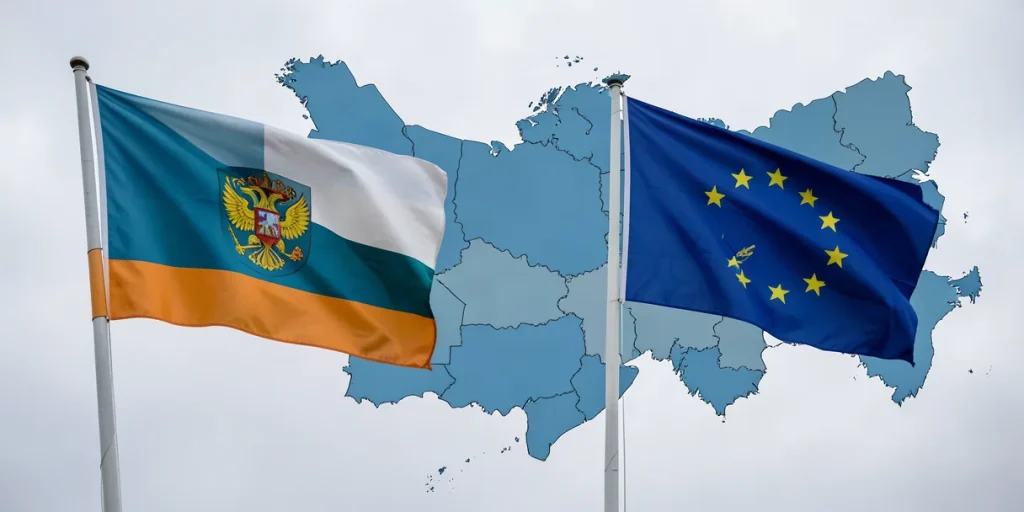
Prime Minister Vasile Tofan Denies Plans to Join NATO
Moldovan Prime Minister Vasile Tofan officially stated that the country has no plans to join the North Atlantic Alliance and intends to maintain its neutral status. This statement in 2026 reflects Chisinau’s official stance on security and foreign policy.
The refusal to join NATO is a key factor for regional stability and takes into account Moldova’s internal political and geopolitical realities. The Prime Minister emphasized that neutrality will continue, ruling out any plans for military alliances.
Path Toward European Union Integration and Membership Conditions
Despite rejecting NATO membership, Moldova continues its active efforts to join the European Union. Prime Minister Tofan announced the goal of EU accession by 2030. This timeline depends on several factors, including the political climate in major European countries.
According to the Prime Minister, achieving EU membership will largely depend on election outcomes in leading European democracies, highlighting the complexity and multifaceted nature of the integration process. This presents Moldova with the challenge of strengthening domestic stability and reforms.
Russian Reaction and Concerns Over Western Support
At the end of August 2026, Russia’s ambassador to Moldova, Oleg Ozerov, expressed concern about increasing Western military support to Moldova. He claimed that Western countries are arming Chisinau to counter Russia, which could impact regional security.
Ozerov referenced the situation in Ukraine, stating that Western elites allegedly long prepared that country to be “expendable” in a geopolitical game. These statements reflect tensions in relations and indicate a complex environment surrounding Moldova.
The Impact of Neutrality on Moldova’s National Security
Moldova’s neutral status allows the country to avoid direct involvement in military alliances, reducing the risk of conflict escalation on its territory. It also helps maintain a balanced relationship with neighbors and major global players.
At the same time, Moldova continues to strengthen its own security forces and cooperates with international organizations in defense and law enforcement. This approach helps the country sustain stability and develop internal security infrastructure.
Outlook and Challenges for Moldova’s Foreign Policy
The refusal to join NATO combined with the desire for EU integration forms Moldova’s dual foreign policy strategy. This enables the country to maintain a certain neutral course while pursuing economic and political modernization.
Key challenges include ensuring sustainable development, implementing necessary reforms, and adapting to EU requirements. Additionally, Moldova must preserve a balance between Western ambitions and regional interests to secure long-term safety.
Summary: Moldova maintains neutrality by rejecting NATO membership and focuses on integrating into the European Union by 2030.