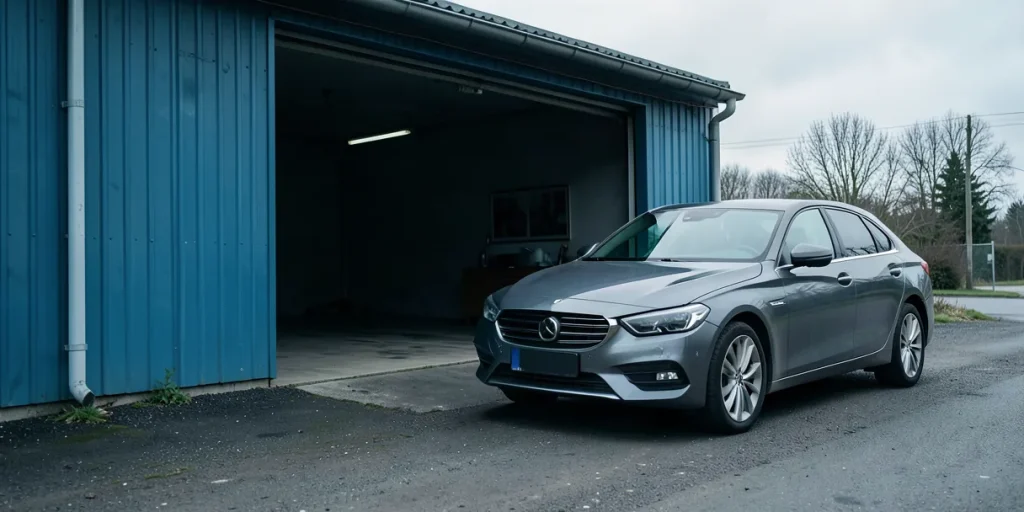
To choose a used car and avoid the most common mistakes, it is important to carefully check the vehicle’s technical condition, research its ownership and service history, and assess its market value accurately. Taking a considered approach to the purchase can reduce the risk of ending up with a problem vehicle and save you money on repairs.
Today, the used-car market is diverse and full of listings, making the search both convenient and challenging. Many buyers encounter pitfalls that can lead to serious trouble after the purchase. Choosing a used car requires care and knowledge to avoid falling for dishonest sellers or overlooking important details.
In this article, we’ll explain what to look for when buying a used car, how to check its condition and history, and which mistakes buyers make most often. This will help you make an informed choice and avoid common problems associated with buying a used car.
| Parameter | Legal check | Technical inspection | Cost |
|---|---|---|---|
| Mileage | Check against traffic police databases | Electronic systems diagnostics | Free / from 2 000 ₽ |
| Accident history | Accident reports via “Autocode” | Body and suspension inspection | About 300 ₽ / from 2 000 ₽ |
| Liens and restrictions | Check against the traffic police database | Not performed | Free |
| Engine condition | Not checked | Compression and oil checks | From 2 000 ₽ |
What are the most common mistakes when choosing a used car?
The main mistakes when choosing a used car stem from underestimating its actual mileage and ignoring its accident and repair history. This can lead to buying a car that is more worn than it appears and has hidden damage.
Mileage and service history
This can lead to an inaccurate assessment of the car’s condition and potential financial losses on repairs.
- Database checks: Use official traffic police services and independent platforms to verify mileage and accident history.
How can you check a car’s legal status before buying?
Where to look for information
To check a car’s legal status before buying, use official traffic police databases and specialized services such as “Autocode.” The traffic police database lets you check a car’s VIN for free, find out whether it has any liens or restrictions, and see whether it is listed as stolen.
“Autocode” offers a more comprehensive check, including a record of fines and information about theft. This is especially important for avoiding a car with problems that may not be apparent during an inspection.
Cost and availability
- VIN check in the traffic police database: Free and available online at any time;
- Check time: Information is available instantly when you enter the VIN;
- How current the data is: Information is updated daily, ensuring it is up to date.
Combining a free traffic police check with a paid “Autocode” report can therefore minimize the risks of buying a used car and help you avoid legal problems in the future.
Which technical aspects must you check when inspecting a used car?
When inspecting a used car, be sure to check the engine and transmission, as well as the suspension, since these components are subject to the most wear and the costliest repairs. Skipping compression and shock absorber checks can lead to significant extra expenses within the first few months of ownership.
Engine and transmission
For example, on popular Lada Vesta models, compression below 10 atmospheres per cylinder or oil leaks indicate serious wear and the need for a major overhaul.
Suspension
Replacing shock absorbers costs from 7 000 ₽ per set. During the inspection, check for knocks and leaks, as well as the condition of the springs and bushings, which affect safety and ride comfort.
- Engine compression: at least 10 atmospheres per cylinder (for Lada Vesta)
- Shock absorber lifespan: about 60 000 km
When should you avoid buying a used car?
Such cars often need a major overhaul and can lead to substantial additional expenses.
Age and mileage
Cars over 10 years old with mileage above 250 000 km generally have worn major components—the engine, transmission, and suspension. If you buy one, factor in the risk that key components may fail soon and that costly maintenance will be needed.
Hidden defects
If an inspection reveals hidden damage to the body or engine, repairs can easily cost more than 100 000 ₽. Damage involving corrosion of the frame rails, welds from previous accidents, or defects in the cylinder block requires professional diagnosis and assessment. Failing to inspect the car thoroughly before buying often leads to serious financial losses and reduced safety on the road.
- Car age: over 10 years
- Mileage: over 250 000 km
How can you stay within budget and avoid overpaying for a used car?
The right price range
This price range includes models with reasonable mileage of up to 100 000 km that retain their resale value and cost less to maintain.
For example, Lada Vesta and Kia Rio models in this range are known for their good reliability and strong demand on the used-car market.
Pre-purchase inspection
An independent inspection at a certified service center is essential. Prices start at 2 000 ₽, and the inspection can save you thousands of rubles in future repairs. It covers the engine, transmission, electronics, and body condition, helping uncover hidden defects that the seller may not mention.
- Choose service centers with ISO 9001 certification or membership in the Russian Association of Auto Repair Shops;
- Consider the car’s mileage—ideally, it should be under 100 000 km;
- Check its history in the traffic police database to rule out accidents and restrictions.
Frequently asked questions
How can you check a car’s actual mileage?
What should you do if you find signs of accident damage?
Which documents are required when buying a used car?
Can you trust listings with unusually low prices?
Key takeaways
- Check the mileage and accident history using official databases and services
- Always get a technical inspection before buying
- Use traffic police services and “Autocode” to check the car’s legal status
- Look for a car in the 500 000–1 000 000 ₽ price range for the best balance of price and quality