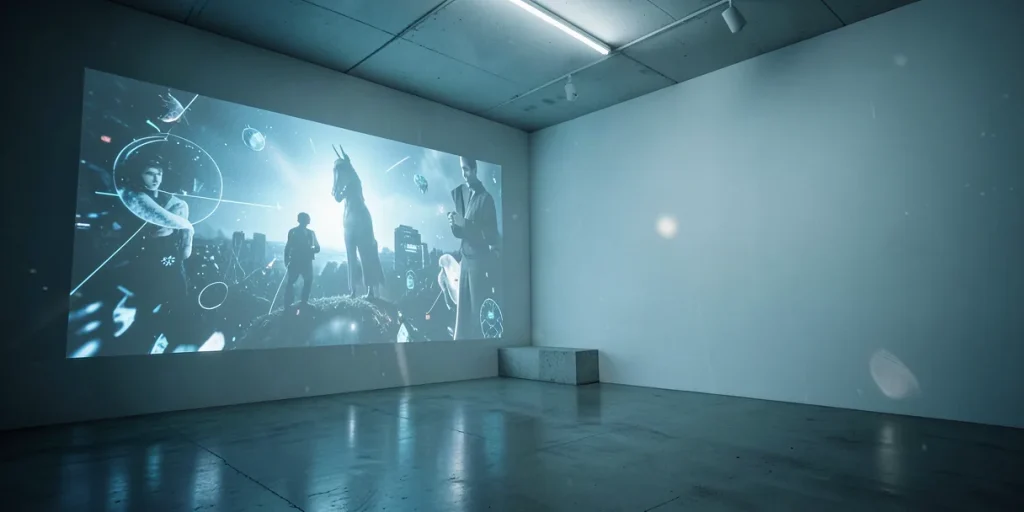
In 2026, the art of theater is undergoing remarkable transformations thanks to the introduction of new technologies. Digitalization, virtual reality, and interactive platforms not only complement traditional forms of performance but also radically change the approach to creating and perceiving plays. Modern audiences no longer find it sufficient to simply sit in the hall—they seek active participation and interaction with the performers and the stage space.
New technologies influence all aspects of theater: from script development to the very process of staging. The use of projections and 3D animation opens new horizons for visual storytelling, while online broadcasts allow access to audiences across the globe. Thus, the art of theater becomes more accessible and diverse, attracting younger audiences and creating unique artistic experiences that can exist in both physical and digital formats.
Introduction: Technological Progress in Theater
Technological progress is actively penetrating various spheres of life, and the art of theater is no exception. In 2026, we observe how new technologies change the perception of theater, opening up endless possibilities for interaction with performances. Digital transformation becomes one of the key factors in the development of modern theater, offering new formats for presentations and expanding access to cultural events. Interactive technologies, augmented and virtual reality allow audiences not only to observe but also to participate in the process, significantly increasing audience engagement.
The history of theater has always been connected with live performance, where actors, scenery, and the audience created a unique atmosphere. Over the centuries, theatrical art has evolved, incorporating new elements such as lighting, sound, and various mechanisms. However, with the development of digital technologies, theater is entering a new era. In the 21st century, especially in recent years, there has been a trend towards the integration of digital tools into theatrical productions, allowing for the creation of more complex and multi-layered artistic works. This not only changes the very nature of theater but also facilitates its adaptation to modern conditions and audience expectations.
The digital transformation of theater is of immense significance for its survival and further development. In an environment where audiences increasingly seek new forms of entertainment, theaters must adapt and offer innovative solutions. The use of technologies such as projections, interactive applications, and online broadcasts helps attract new audiences and expand the boundaries of theatrical art. Thus, theater not only maintains its relevance but also becomes more accessible, which is important for cultural exchange and education. Ultimately, the influence of technology on theatrical art in 2026 serves not only to enhance the quality of performances but also to shape a new theater culture open to experimentation and interaction with the audience.
Digital Technologies in Theater
In 2026, digital technologies continue to actively influence theatrical art, providing new opportunities for creative expression and interaction with the audience. One of the most noticeable trends has been the use of projections and video mapping. These technologies allow for the creation of captivating visual effects that not only complement stage actions but also completely transform the theater space. Stage artists can now embed dynamic images and animations into their productions, expanding the boundaries of audience perception and creating a unique atmosphere during performances.
The integration of virtual and augmented reality also opens new horizons for theater. With the help of VR and AR technologies, audiences can become part of the action, participating in interactive elements of the performance. This creates a sense of presence and allows each viewer to experience the story in their own way. Such innovations not only make performances more engaging but also help attract younger audiences seeking new ways to interact with art. As a result, theatrical studios are beginning to use these technologies not only in experimental productions but also in classic interpretations to make them more relevant and appealing.
The application of sound technologies has become another important aspect of the digital transformation of theater. Modern acoustic systems and spatial sound design allow for the creation of a unique sound environment that enhances the emotional impact of the performance. Thanks to new technologies, sound can “move” across the stage, creating a fully immersive effect for the audience. This is achieved through special programs and equipment that ensure precise localization of sound in space.
Thus, digital technologies not only change the way theatrical art is presented but also open new opportunities for interaction between performers and audiences. Innovations become the main driving force behind the development of theater in 2026, contributing to the creation of a unique and unforgettable experience for all participants.
Interactive Elements in Theatrical Productions
In 2026, theatrical art continues to actively adapt to new technologies, significantly increasing the level of interaction between audiences and actors. One of the most interesting directions has been the use of mobile applications that allow audiences not only to follow events on stage but also to influence the course of the plot. Such applications provide the opportunity to vote on the development of events, ask questions to actors, or even participate in dialogues, creating a unique experience and fostering a deeper immersion in the unfolding drama.
Furthermore, interactive scenes and plots based on audience choices are becoming increasingly popular. This allows theaters to experiment with narrative forms, creating unique performances that can change depending on the audience’s decisions. For example, viewers can choose which character should make a particular decision, leading to various endings and interactions. This approach not only expands the boundaries of theatrical art but also transforms audiences into active participants in the process, significantly strengthening the emotional connection with the production.
Social media also plays an important role in engaging the audience. Theaters use platforms like Instagram and TikTok to promote their events, create interactive polls and discussions, and share behind-the-scenes content. This creates a sense of community among spectators, who can share their impressions and experiences of the performances. Moreover, theaters can receive real-time feedback, allowing them to adapt to the demands of their audience.
Thus, new technologies in theater not only enrich the content of productions but also change the very nature of interaction between performers and audiences. Interactive elements allow for the creation of unforgettable experiences and form a new perception of theatrical art in the age of digitalization.
Changing Perception of Theatrical Art
In 2026, theatrical art is undergoing significant changes due to the introduction of new technologies that transform the audience experience. Interactive elements, such as augmented reality and virtual performances, are becoming an integral part of the theatrical process. Audiences can now interact with actors and set design, creating unique and unforgettable experiences. This interaction brings elements of play and personal participation, significantly enriching the perception of theater and making it more accessible to a broader audience.
The technological transformation also affects traditional genres of theater, such as drama and opera. New approaches to set design and the use of multimedia technologies allow for a rethinking of classic works. For instance, modern theaters often integrate video installations and sound effects, which lend dynamism and relevance to new interpretations. This helps attract a younger audience seeking new forms of art and entertainment.
Additionally, the accessibility of theater for various segments of the population has significantly increased. Online broadcasts of performances allow people who cannot physically visit theaters to enjoy productions from anywhere in the world. This is particularly important for those with mobility limitations or who live in remote regions. The development of mobile applications and platforms for virtual theater contributes to audience expansion and makes theatrical art more inclusive.
Thus, modern technologies not only change the perception of theatrical art but also open new horizons for its development. With each passing year, audiences become increasingly engaged in the process, while theaters gain the opportunity to experiment with forms and genres, creating relevant and sought-after content.
Examples of Successful Projects
In 2026, new technologies have had a significant impact on theatrical art, changing its perception and practice. One bright example of a successful project is the performance “Digital Journey,” which uses virtual reality to create a unique viewer experience. In this project, audiences can move around the stage and interact with characters, allowing them to become not just observers but active participants in the action. The integration of such technologies has led to positive feedback from both audiences and critics, who note the novelty and engagement of the format.
Another successful case is the production “Theater 2.0,” which employs interactive projections and touch screens. Audiences can influence the course of events by choosing different narrative paths right during the performance. This not only expands creative possibilities but also makes theater more accessible to a broad audience, allowing everyone to find their own path within the same story. Critics emphasize that such innovations promote deeper immersion in the plot and emotional interaction with the characters.
Among other notable examples is the project “Sounds of the City,” which combines elements of theater and audiovisual art. In this performance, sound effects and musical accompaniment are created in real-time using the latest technologies, allowing audiences to feel the atmosphere of the city in every moment of the performance. Spectators note that this combination of technology and art makes each performance unique, as it does not repeat and depends on the interaction between performers and audiences.
Thus, the integration of technologies into theatrical art not only enriches it but also opens new horizons for creativity and interaction. These projects highlight that digital transformation is becoming a necessary step for theaters wishing to remain relevant and in demand in the modern world.
Challenges and Issues of Digital Transformation
The digital transformation of theatrical art in 2026 faces a number of significant challenges and issues that require serious attention from theaters and their staff. First and foremost, traditional theaters are struggling to adapt to new technologies. The integration of digital tools and interactive platforms requires not only financial investments but also a reassessment of established processes. Many theaters are not prepared for change, leading to the need to find a balance between preserving classic traditions and implementing innovative approaches.
Training actors and technical staff has also become a pressing issue. New technologies, such as virtual reality, augmented reality, and interactive media, require theater workers to acquire new skills and knowledge. This creates a need for specialized courses and training programs that will help them master modern tools and technologies. Without proper training, actors may not be able to effectively engage with new formats, which could negatively impact the quality of productions and the audience experience.
Additionally, the digitalization of theater raises important ethical questions. Issues of copyright, the use of an actor’s image in the digital space, and the influence of technology on the creative process are prompting active discussions among professionals. The emergence of digital doubles and the potential use of artificial intelligence to create content challenge traditional notions of theatrical art. How can we preserve the uniqueness and individuality of actors in the face of growing digitalization? This is one of the key challenges facing the theater community.
Thus, despite the many opportunities that new technologies open up, theaters must consider and overcome a number of challenges to successfully integrate digital solutions into their practice. Training, adaptation, and ethical reflection on technologies will become important aspects of the further development of theatrical art in the age of digitalization.
The Future of Theater in the Age of Technology
In 2026, theatrical art is undergoing significant changes due to the introduction of new technologies. Predictions for 2030 suggest that theaters will be even more integrated into the digital environment, opening up new opportunities for interaction with the audience. Interactive technologies, such as augmented and virtual reality, are already beginning to change the perception of theatrical productions, allowing audiences not only to observe but also to actively participate in the action. It is expected that by 2030 such technologies will become the standard, enhancing emotional engagement and turning every performance into a unique experience.
Research in the field of theatrical art and technology is increasingly focusing on the development of new forms of interaction. Possible directions for further research include studying the impact of artificial intelligence on script and character creation, as well as analyzing how new media formats can influence traditional theatrical practices. For example, researchers might explore how the use of digital platforms for rehearsals and productions can change the training process for actors and directors, making it more accessible and diverse.
Technologies are also impacting the very craft of acting. 21st-century actors must adapt to new demands associated with the use of digital media. This means that in addition to traditional skills, actors need to develop abilities related to working in virtual spaces and interacting with digital characters. In the future, we can expect new training methods to emerge that will combine physical and digital preparation, creating a unique synergy between traditional theater and modern technologies.
Thus, the future of theater in the age of technology promises to be dynamic and multifaceted. Interaction, innovation, and adaptation to new realities will be key factors defining the development of theatrical art in the coming years.
Conclusion: Technological Synthesis and Theatrical Art
In 2026, technologies continue to have a profound impact on theatrical art, moving toward a synthesis of traditional forms and modern digital solutions. Based on the analysis of current trends, several key conclusions can be drawn. First, there is a significant expansion of opportunities for audience interaction with theatrical productions thanks to interactive technologies. For example, the use of augmented and virtual reality not only enriches the visual landscape but also allows the viewer to become an active participant in the event, changing the traditional perception of theater. As a result, theatrical art becomes more accessible and appealing to a wider audience, introducing new formats and ideas.
Second, digital transformation is becoming a primary direction for theater development. This not only helps preserve cultural heritage but also opens new horizons for creativity. Technologies allow for the preservation and archiving of productions, making them available for future generations. Moreover, theaters are increasingly using platforms for online broadcasts, giving audiences from different corners of the world the opportunity to become acquainted with the work of artists. Thus, new technologies play an important role in the preservation and development of theatrical art, allowing it to adapt to modern conditions and audience expectations.
In conclusion, theatrical art in 2026 stands on the brink of significant changes brought about by the introduction of new technologies. This requires theaters to be open to experimentation and willing to embrace unconventional solutions. The call for openness to new formats and ideas becomes particularly relevant in the face of rapid progress. Theaters that are ready to integrate modern technologies will not only survive but also thrive in this new digital world, creating unique and unforgettable experiences for audiences.
Frequently Asked Questions
How have technologies changed theatrical art?
What is interactive theater?
How do audiences perceive modern theatrical productions?
Are there risks associated with using technology in theater?
What are the prospects for theater in the future?
Key Takeaways
- Digitalization opens new horizons for theatrical art.
- Interactive elements change audience perceptions of theater.
- Technologies help make theater more accessible to a broad audience.
- Adaptation challenges require new approaches and training.
- The future of theater will be based on the synthesis of traditions and innovations.
Sources
7universum.com, rewizor.ru, researchgate.net, key to survival and development, snob.ru
