Unexpected Birth on Flight FV6817
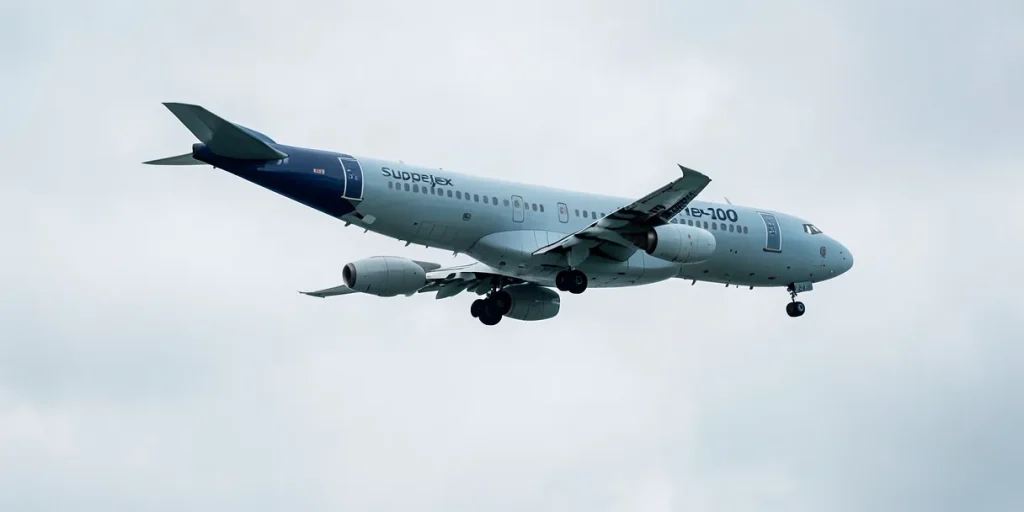
On September 13, 2026, a boy was born aboard a Russia airline Superjet-100 operating flight FV6817 from Krasnoyarsk to Novy Urengoy. The birth occurred about 40 minutes before landing, when a passenger at 36 weeks pregnant experienced her water breaking.
This event was unique for the airline, as the woman had previously given birth and the process progressed rapidly. Despite the absence of doctors among the passengers, the crew quickly organized assistance and ensured the safe arrival of the baby.
Crew Response and Actions
Upon learning of the labor, flight attendants moved the woman to the rear section of the cabin where her condition could be monitored. The captain promptly contacted air traffic control and requested a medical team to meet the plane.
The baby was born at 12:28 Moscow time, literally a minute after disembarkation began. This demonstrates the crew’s coordinated efforts and rapid response to an in-flight emergency.
Medical Care After Arrival
Upon landing in Novy Urengoy, doctors boarded the plane to examine the mother and newborn. Afterwards, they were transported to the maternity hospital for further monitoring and necessary medical care.
Such medical support is crucial to prevent complications following emergency births in transit, especially during late pregnancy stages, as in this case at 36 weeks.
Previous Cases of Births in Air Transport
This incident is not isolated in Russia. Previously, a woman from the Kirov region gave birth to a daughter aboard a medical evacuation helicopter en route to a healthcare facility. These cases highlight the importance of crew readiness and aviation medical services for emergencies.
Airlines and medical air services are gradually improving protocols and personnel training to ensure passenger safety under all circumstances.
Significance and Impact on Air Transport
A baby being born on board an aircraft is rare but significant, requiring airlines to have clear instructions and crew trained for emergencies. Russia airline demonstrated prompt and professional handling, boosting passenger confidence.
In 2026, the aviation industry continues to develop safety standards that include medical emergencies, improving service quality and reducing health risks for passengers in flight.
Conclusion: The birth on board the Krasnoyarsk — Novy Urengoy flight confirmed the importance of professional crew training and coordinated medical services in ensuring passenger safety.