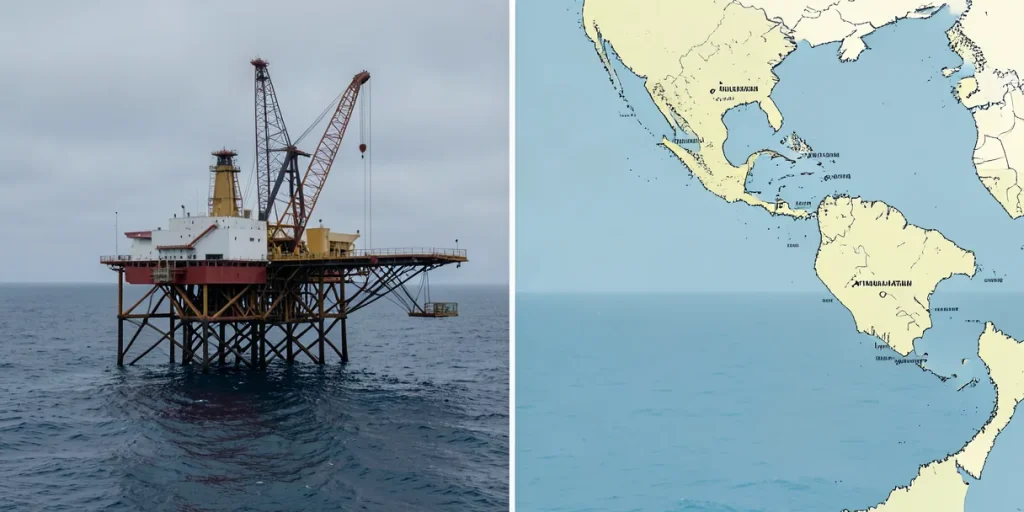
Court Ruling on Suspension of Oil Extraction
Federal Judge Mariel Borroto of Argentina issued a ruling requiring British Rockhopper Exploration and Israeli Navitas Petroleum to immediately halt all development activities at the Sea Lion oil field, located 220 kilometers north of the Falkland Islands. This decision stems from the need for an environmental assessment to be conducted by Argentine authorities before extraction can resume.
The ban covers the entire scope of operations: drilling, installation of offshore platforms, and construction of port facilities. This court order poses a significant obstacle to the planned commercial launch of oil production scheduled for 2028 and directly impacts the progress of investment projects in the region.
The Sea Lion Project and Its Significance
The Sea Lion oil field is among the largest discovered hydrocarbon assets in the South Atlantic region, with reserves projected to support commercial extraction for several decades. Development is overseen by British Rockhopper Exploration with participation from Israeli Navitas Petroleum, highlighting international interest in the area.
According to company estimates, investments in the project may exceed several billion U.S. dollars, and production from the field would notably increase global oil supplies. The suspension of work causes delays in project implementation, reduces anticipated revenues, and may deter foreign investors given the increased political and legal risks.
Environmental and Legal Grounds for the Decision
The Argentine judge emphasized that the lack of a preliminary environmental assessment violates national legislation and international regulations governing activities in maritime zones. This is especially critical considering the fragility of the South Atlantic ecosystem and the potential risks associated with oil extraction, including pollution and threats to biodiversity.
The court ruling reflects Argentina’s intent to oversee environmental safety in the coastal areas it claims jurisdiction over. To resume the project, Navitas and Rockhopper must await the completion of an environmental impact assessment, which will be conducted by Argentine governmental bodies.
International Reactions and Diplomatic Consequences
Argentina’s Ministry of Foreign Affairs has already summoned the ambassadors of the United Kingdom and Israel, delivering formal protest notes regarding the oil project. This action underscores the seriousness of the political conflict surrounding the archipelago’s resources. It heightens tensions in diplomatic relations and could lead to further sanctions or legal actions.
Navitas Petroleum and Rockhopper Exploration have expressed their intent to continue operations despite the court restrictions, citing the project’s importance for energy security and economic development. However, without international cooperation and approval from Argentine authorities, further work is impossible, creating significant uncertainty for investors and the market.
Impact on the Oil Sector and Investment Market
The suspension at Sea Lion raises questions about the prospects for oil industry growth in the South Atlantic, where projects demand substantial capital investments and a stable legal environment. Delays in developing one of the largest fields may reduce the region’s attractiveness for future investments and technical partnerships.
Given the growing competition in the global energy market and the need to transition to sustainable energy sources, legal risks and environmental requirements are becoming decisive factors for energy companies. This court decision demonstrates that environmental responsibility and jurisdictional disputes can significantly affect the economic development of regional projects.
Conclusion: The Argentine court ruling significantly delays the Sea Lion oil project and underscores the importance of environmental assessment and international cooperation in the development of South Atlantic resources.