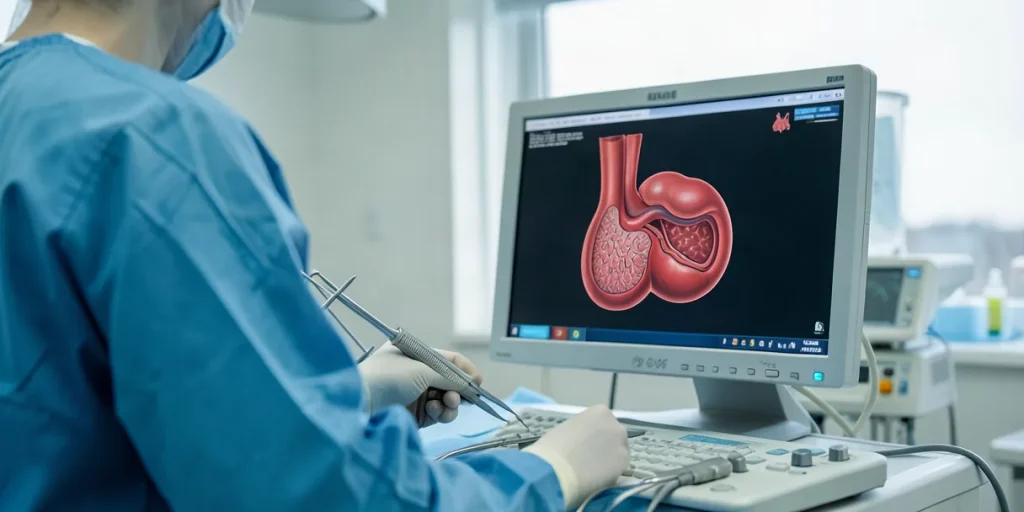
Record-Breaking Surgery in Yekaterinburg
At the end of August 2026, the surgical team at City Clinical Hospital No. 23 in Yekaterinburg successfully performed an operation to remove 0.5 kilograms of hair from a patient’s stomach. This rare surgical procedure attracted significant attention within the regional medical community due to the volume of material extracted and the patient’s condition.
The patient presented with complaints of pain and digestive disturbances, necessitating urgent intervention. Doctors diagnosed gastrolithiasis — the formation of hairballs in the stomach, a very rare condition often associated with mental health disorders.
Mechanism and Causes of the Problem
The formation of hairballs, or trichobezoars, occurs as a result of chronic hair swallowing, known as trichophagia. In Russia, according to psychoneurological clinics, about 2% of patients with such symptoms require surgical removal of these masses.
In this case, the amount of hair reached 500 grams, significantly exceeding average figures. Medical specialists associate the development of this pathology with mental health disorders in the patient, requiring a comprehensive approach to prevent recurrence after surgery.
Technical Details of the Operation
The operation lasted approximately three hours and was performed using endoscopic and laparoscopic methods. Surgeons emphasize that extracting such a large hairball without damaging the stomach is a complex task demanding high expertise.
The procedure’s cost at City Hospital No. 23 was 120,000 rubles, which included preoperative examinations, anesthesia, and postoperative care. The patient was hospitalized for 10 days to stabilize her condition and monitor recovery.
Rehabilitation and Prevention
Following the surgery, the patient was prescribed an extended rehabilitation program involving gastroenterologists and psychiatrists. Doctors note that without psychotherapeutic support, the risk of hairball recurrence remains high.
Specialists at City Clinical Hospital No. 23 have developed a personalized monitoring program that includes regular endoscopic examinations and psychotherapist consultations to ensure the patient’s full health recovery.
Significance for Regional Medicine
This unique case in Yekaterinburg showcases the capabilities of modern surgery and an interdisciplinary approach to rare diseases. The successful completion of the operation confirms the high professionalism of the medical staff at Hospital No. 23.
This precedent may serve as a basis for developing specialized treatment protocols for gastrolithiasis in the Ural Federal District, as well as raising doctors’ awareness of the need for early diagnosis of such conditions.
Conclusion: The unique operation in Yekaterinburg marked an important step in treating rare gastroenterological diseases and demonstrated the importance of a comprehensive approach to therapy.