Updated: August 27, 2026
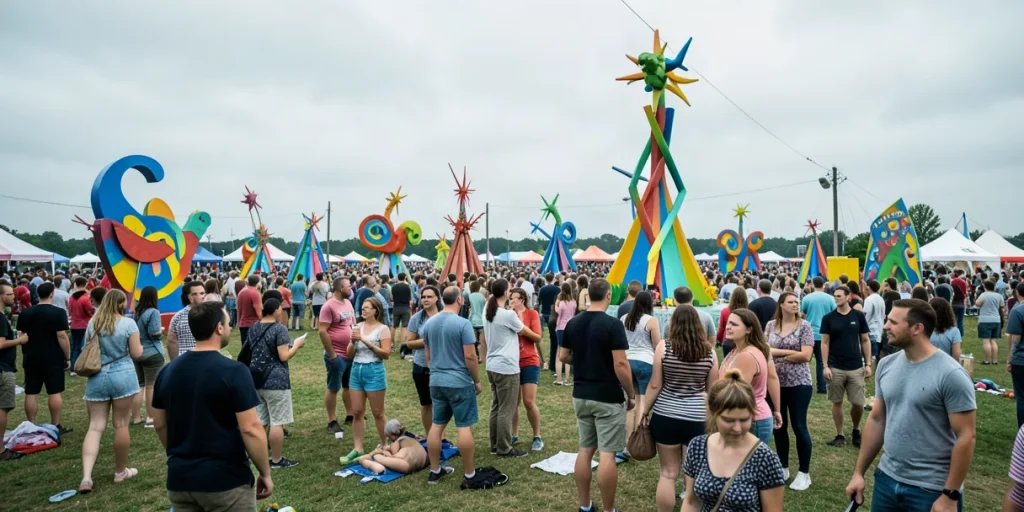
Summer art festivals are becoming an important aspect of the cultural life of local communities, contributing to their development and unity. These events not only draw attention to talented artists and musicians but also create a space for communication, idea exchange, and inspiration. In a rapidly changing world, festivals help preserve cultural heritage by engaging both professionals and amateurs in the creation and perception of art.
Against the backdrop of the growing popularity of such events, it becomes clear that summer art festivals play a key role in shaping the identity of local communities. They serve as a platform for self-expression, promoting the integration of various cultural traditions and forming new forms of interaction. In this context, festivals become not just entertaining events, but important social phenomena that facilitate cohesion and maintain cultural dialogue.
Benefits of Summer Festivals for Local Communities
Summer art festivals play an important role in the development of local communities, offering numerous benefits that contribute to their cultural and economic prosperity. First and foremost, such events create new jobs in both the arts and service industries. This provides opportunities not only for artists and creative individuals but also for workers in hospitality, restaurants, transportation companies, and other sectors that gain additional income from increased visitor traffic.
Strengthening the cultural life of the region is also one of the key aspects of holding summer festivals. These events contribute to the formation of a unique cultural identity, uniting local residents and inspiring them to collaborate and create. Festivals become a platform for showcasing local talent, helping to preserve and develop traditions while also drawing attention to new trends in art. This creates an atmosphere of unity and pride in the native land.
Additionally, summer festivals significantly increase tourist influx, which in turn leads to local economic growth. Attracting visitors from other regions and countries raises sales levels in shops, cafes, and restaurants, as well as increases demand for hospitality services. Thus, festivals become catalysts for economic growth, allowing local businesses to thrive.
Thus, summer art festivals not only enrich cultural life but also create new jobs and support economic development, ensuring a sustainable future for local communities.
Economic Impact of Festivals
Summer art festivals play an important role in the economic development of local communities. Statistics show that during such events, there is a significant increase in tourism revenue. Tourists drawn by unique cultural events increase demand for services, positively affecting the hospitality industry, restaurants, and local shops. For example, studies show that in some cities, tourism revenue during festivals can increase by 30% or more compared to regular seasons.
The direct impact of festivals on small businesses cannot be overstated. Restaurants and cafes located near event venues experience an additional influx of customers, allowing them not only to boost sales but also to create new jobs. Hotels and hostels also face an increase in bookings, contributing to their financial stability. Moreover, local shops and art galleries can take advantage of the opportunity to showcase their goods and services to a wide audience, fostering creativity and entrepreneurship in the region.
Investments in infrastructure and landscaping are another important aspect that often accompanies the organization of festivals. To prepare for events, authorities and organizers typically allocate funds for improving public transport, renovating parks and squares, and ensuring safety. This not only creates a more appealing atmosphere for guests but also leaves a positive legacy for local residents. Well-maintained streets, new benches, lighting, and well-equipped public spaces become part of everyday life, improving the quality of life in the community.
Thus, summer art festivals not only enrich cultural life but also contribute to economic prosperity, creating new opportunities for local businesses and enhancing infrastructure.
Cultural Diversity and Inclusivity
Summer art festivals serve as a powerful platform for showcasing cultural diversity, providing a unique opportunity for artists and creative teams to present their works. These events become showcases of various cultures, where local and international talents can exchange experiences, ideas, and inspiration. It is important to note that such festivals not only promote cultural exchange but also create conditions for the integration of diverse communities. They become places where representatives of different cultures can interact, establishing new connections and strengthening mutual understanding.
The participation of local artists in festivals plays a key role in creating an inclusive atmosphere. Masters working in various genres and directions have the opportunity to present their works to a wide audience, which not only fosters their professional growth but also popularizes local culture. Thus, festivals become significant events for local communities, allowing them to take pride in their heritage and share it with others. This, in turn, stimulates economic activity in the region, attracting tourists and creating new jobs.
Furthermore, art festivals create a space for dialogue and idea exchange. Within the framework of events, workshops, lectures, and discussions are held, promoting the exchange of opinions and cultural practices. Participants can not only enjoy art but also discuss pressing social and cultural issues, allowing for the identification of the needs and interests of various groups. Thus, summer festivals become not just entertaining events but important social phenomena that contribute to the development of local communities and the strengthening of their cultural identity.
In conclusion, summer art festivals represent a vibrant example of how culture can serve as a tool for uniting people and developing communities. Their significance extends far beyond artistic expression, influencing the economy and social connections in the region.
Sustainable Development and Ecology
Summer art festivals not only enrich the cultural life of local communities but also actively contribute to sustainable development and environmental protection. One of the key initiatives that organizers of such events implement is waste reduction. Festivals are actively transitioning to reusable dishes, using recyclable materials, and implementing waste sorting systems. This not only reduces the negative impact on nature but also fosters a conscious attitude towards ecology among participants and spectators.
Moreover, significant attention is paid to the use of local resources and products. Many festivals focus on collaborating with local producers and artisans, offering visitors dishes made from local ingredients and handmade products. This helps to support the local economy and promote the unique culture of the region, as well as reduces the carbon footprint associated with the transportation of goods.
Educational programs on ecology become an important part of summer festivals. Organizers often include workshops, lectures, and interactive events aimed at raising awareness about environmental issues and sustainable development. Festival participants have the opportunity to learn about methods for protecting the environment and how each of us can contribute to nature conservation.
Thus, summer art festivals become not only a platform for creativity and self-expression but also an important tool in the formation of a sustainable and environmentally responsible society. They create a space for dialogue, experience exchange, and strengthening connections between people, which in turn contributes to the development of local communities and improves quality of life.
Festivals and Social Interaction
Summer art festivals play a key role in strengthening local communities by creating unique opportunities for volunteering and active resident participation. These events not only draw attention to the cultural life of the region but also form a platform for interaction among people of different ages and social groups. Participation in the organization and execution of festivals allows local residents not only to contribute to cultural life but also to make new acquaintances, thereby strengthening social ties. Volunteering at the festival becomes not just a way to help but also an opportunity for personal growth and development, as well as for the exchange of experiences.
Additionally, summer festivals support local initiatives and communities. They often become catalysts for implementing creative projects that can unite people around common interests and goals. Local artists, musicians, and artisans gain the opportunity to showcase their talents, which not only enhances their visibility but also contributes to the development of the local economy. Thanks to festivals, many communities begin to recognize their cultural and creative resources, which can lead to the creation of new cultural initiatives in the future.
Festivals also create an atmosphere of unity and mutual assistance. In the process of preparing and conducting events, residents from different corners of the community start interacting, which fosters a sense of belonging to a common cause. This interaction helps strengthen social ties and create a more cohesive community. Ultimately, such events not only entertain and enrich cultural life but also become important tools for improving the quality of life in local communities.
Thus, summer art festivals not only entertain but also make a significant contribution to social interaction, strengthening ties, and supporting local initiatives, making them an important part of the cultural life of every region.
Examples of Successful Art Festivals
Summer art festivals in Russia are becoming an important tool for the development of local communities, creating unique opportunities for cultural exchange and economic growth. Each region of the country has its own successful examples that demonstrate the diversity of formats and concepts. For example, the “Golden Autumn” festival in Tatarstan combines traditional art and modern practices, attracting both local and foreign artists. This festival not only contributes to cultural integration but also stimulates the development of tourist infrastructure, which in turn supports the local economy.
Another striking example is the “Siberian Arts Festival” in Novosibirsk, which focuses on the interaction between artists and audiences. It features exhibitions, workshops, and performances, creating an atmosphere of engagement and idea exchange. The uniqueness of the festival lies in its focus on Siberian cultural heritage, attracting the attention of both local residents and tourists eager to learn more about the richness of regional culture.
The role of government and the private sector in organizing such events is invaluable. Local authorities often act as initiators and organizers of festivals, providing funding and infrastructure. Private companies also play a significant role by supporting festivals through sponsorship and partnerships. This approach creates a sustainable funding model, allowing festivals not only to successfully take place but also to grow year after year.
Thus, summer art festivals in Russia serve not only as platforms for artists’ self-expression but also as catalysts for the economic and cultural development of local communities. Successful examples from different regions highlight the importance of collaborative efforts between government and private entities, making such events an essential element in the strategy for sustainable cultural development.
The Future of Summer Art Festivals
The future of summer art festivals promises to be bright and multifaceted, considering modern trends and societal demands. In recent years, there has been a steady increase in interest in cultural events, which is linked not only to the need to strengthen social unity but also to the desire to create more sustainable and inclusive spaces for creativity. Festivals are becoming an important tool for restoring local communities, providing jobs and contributing to economic development. In 2026, it is expected that festival culture will actively integrate into urban development programs, creating platforms for talented artists and curators, as well as allowing audiences to immerse themselves in unique projects.
Technological innovations play a key role in the organization and participation in festivals. The use of digital technologies and social media helps attract a broader audience, ensuring access to events for people who cannot physically attend. Virtual exhibitions, live broadcasts, and interactive platforms are becoming important elements of festival programs, allowing for the expansion of the boundaries of art perception. In 2026, it can be expected that organizations will increasingly utilize technologies to enhance visitor interaction and create a more immersive experience.
The need to adapt to changes in society and ecology is becoming increasingly relevant. Art festivals are beginning to recognize their responsibility for the environment and are striving to implement sustainable development initiatives. This may manifest in the use of eco-friendly materials, organizing waste recycling systems, and supporting local producers. In 2026, it can be expected that such initiatives will become the norm rather than the exception. Moreover, festivals will emphasize social justice, ensuring access to culture for various population segments and creating opportunities for dialogue between different cultures and communities.
Thus, the future of summer art festivals represents a synthesis of cultural, social, and ecological aspects, making them an important tool for the development and renewal of local communities.
Frequently Asked Questions
How do festivals impact the economy of the region?
Can festivals be made more eco-friendly?
What examples of successful festivals can be cited?
Key Takeaways
- Art festivals create jobs and strengthen the local economy.
- They promote cultural exchange and inclusivity.
- Sustainable development is becoming an important aspect of festival culture.
Sources
cajas.kz, feedfreq.com, vlast.kz, oneplan.io, gcac.org
