Updated: August 27, 2026
In recent years, medicine has been rapidly advancing, and one of the most intriguing directions has been the use of cold platelets. This innovative technology opens new horizons in the treatment of various diseases, particularly in the fields of trauma and surgery. The effectiveness of cold platelets lies in their ability to significantly accelerate the healing and tissue recovery processes, making them indispensable in medical practice.
But how exactly do cold platelets work and what are their advantages over traditional treatment methods? In this article, we will examine the key aspects of this technology, as well as its impact on modern medicine and potential for future research. Join us to learn more about how cold platelets can change the approach to patient treatment and rehabilitation.
What are Platelets and Their Role in the Body
Platelets, or blood cells, play a key role in the blood clotting process and maintaining homeostasis in the body. These small cells, formed in the bone marrow, actively participate in the formation of a clot that seals damaged areas of blood vessels and prevents bleeding. When trauma or damage to the vessel wall occurs, platelets begin to adhere to each other and to the cells of the vessel wall, forming a temporary “plug” clot. This not only stops the bleeding but also initiates the healing process, which involves subsequent tissue restoration.
In addition to their primary function in blood clotting, platelets also contribute to wound healing. They release various growth factors and cytokines that stimulate tissue regeneration and attract other cells necessary for recovery. Thus, platelets do not simply respond to injuries; they also play an active role in restorative processes, making them essential for the body’s health.
However, the platelet level in the blood can vary, and its decrease, known as thrombocytopenia, can lead to serious consequences. Thrombocytopenia can be caused by various factors, including bone marrow diseases, autoimmune disorders, infections, and certain medications. Low platelet levels increase the risk not only of spontaneous bleeding but also of more serious issues, such as hemorrhagic strokes. Therefore, monitoring platelet levels is crucial, especially in patients undergoing treatment related to increased risks.
Thus, platelets are an important component not only in the blood clotting process but also in tissue healing, making them key to maintaining health. Modern medical research aims to improve methods for storing and applying platelets, which can significantly enhance their effectiveness in clinical practice.
Storage Conditions for Platelets
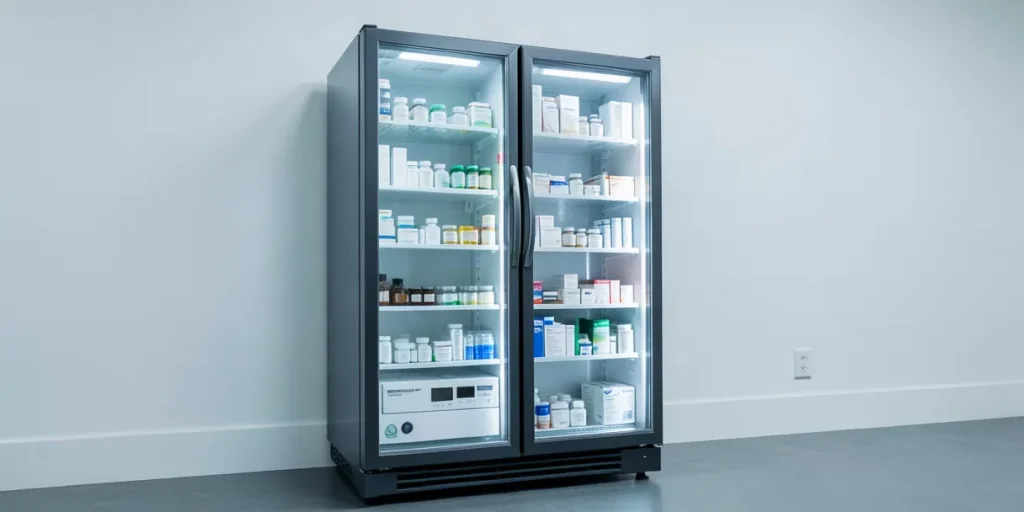
The storage of platelets is an important aspect of transfusion medicine, as these cells play a key role in the blood clotting process. Traditionally, platelets were stored at room temperature, which allowed them to maintain their functional and metabolic characteristics for a day. However, this storage method has its drawbacks, including an increased risk of bacterial contamination and a limited shelf life, highlighting the need for more effective solutions.
Modern research shows that freezing platelets, or rather storing them in cold conditions, can significantly improve their preservation. Cold storage allows platelets to maintain their functionality for up to 14 days, which is a significant advantage over traditional methods. Scientists have found that platelets stored at lower temperatures retain their properties and effectiveness comparable to platelets stored at room temperature. This approach minimizes the risk of infections and extends the timeframe for using these cells in clinical practice.
Despite many advantages, cold storage of platelets also has its drawbacks. For example, it is important to consider that not all medical facilities can ensure the necessary temperature regime during transportation and storage. Additionally, the need to change storage standards requires further training for staff and modification of existing protocols. Nevertheless, new research shows that with the application of modern technologies, these barriers can be overcome.
Thus, the transition to cold storage of platelets represents a significant step forward in medicine. It opens new horizons for improving the quality of transfusion therapy and increasing the availability of platelets for patients. It is important to continue research and implement innovative technologies to ensure maximum effectiveness and safety in treating diseases related to blood clotting disorders.
Research on the Effectiveness of Cold Platelets
Research on the effectiveness of cold platelets is gaining popularity in the medical community, as data shows that cold-stored platelets can maintain their functionality at a level comparable to room temperature platelets. According to recent studies, cold platelets retain their effectiveness for 14 days, opening new possibilities for their use in clinical practice. These results confirm that under the right storage conditions, the shelf life of platelets can be significantly extended, which is critically important in the context of blood donor shortages.
Comparing cold and warm platelets shows that while platelets stored at temperatures of 22-24°C may demonstrate better metabolic indicators in the short term, cold platelets still maintain their functionality at a sufficiently high level. It is important to note that cold-stored blood is licensed for use in several countries, such as the USA and Norway, highlighting its relevance and reliability. In vitro studies confirm that cold platelets can be successfully used in clinical settings, allowing for the minimization of risks associated with their storage and transportation.
In conclusion, the shelf life of platelets in cold storage, which can reach 14 days, provides new opportunities for improving treatment outcomes for patients with thrombocytopenia and other blood disorders. This data opens prospects for further research in the storage and use of platelets, which can significantly enhance the quality of medical services and provide more effective treatment. It is crucial to continue studying the effectiveness and safety of cold platelets to integrate them into standard treatment protocols and improve access to vital blood components for patients.
Clinical Applications of Cold Platelets
The clinical applications of cold platelets
Storing platelets in cold conditions opens new horizons for their use in clinical practice. Platelets that remain functionally active for up to 14 days at 4°C can be used to treat various conditions related to blood clotting disorders. The main indications for using such platelets include thrombocytopenia, especially in patients with oncological diseases, where maintaining platelet levels is critically important for continuing therapy. Cold platelets can also be effectively used in emergency situations where rapid correction of blood clotting is required.
Comparing cold platelets with those traditionally stored at room temperature shows that their effectiveness remains at a comparable level. Studies confirm that the functional and metabolic characteristics of platelets stored in cold conditions can be no worse than those of their “warm” counterparts. This is especially important in situations where maximum safety and efficiency of treatment must be ensured. Cold storage also helps reduce the risk of infectious complications, making it a preferred method in certain clinical cases.
The potential benefits of using cold platelets for patients include a longer shelf life and the ability to apply them in a broader range of clinical scenarios. This not only optimizes the use of donor platelets but also improves access to treatment for patients in need. It is important to note that the introduction of cold platelets into practice requires further research and adaptation of clinical protocols, but significant progress in this area can already be observed.
Thus, cold platelets represent a promising tool in the arsenal of modern medicine, contributing to improved treatment outcomes and enhancing the quality of life for patients.
International Standards and Licensing
The storage of platelets at low temperatures is becoming an important topic in modern medical practices. Research shows that when stored in cold conditions, platelets maintain their functionality for up to 14 days, ensuring effectiveness comparable to platelets stored at room temperature. This discovery has prompted the development of international standards regulating the conditions for storing and transporting platelets, which in turn affects transfusion services worldwide.
Many countries have already implemented licensing for cold platelets, recognizing their clinical value. For example, in the USA and Norway, cold storage of platelets is licensed for certain medical indications. These standards provide reassurance to doctors that platelets stored at low temperatures maintain high effectiveness in transfusion processes, significantly improving treatment outcomes for patients with thrombocytopenia and other blood clotting disorders.
The impact of these international standards on transfusion services cannot be overstated. They not only contribute to the standardization of processes but also enhance patient safety. The introduction of strict licenses and storage regulations for platelets allows medical institutions to optimize their resources and improve the quality of care. Consequently, the implementation of cold storage for platelets represents an important step toward more effective and safer medical practices.
Challenges and Issues in Using Cold Platelets
The introduction of cold platelets into clinical practice marks a significant step forward, yet it also faces several challenges related to their use. One of the main difficulties is the technical and logistical organization of storing and transporting such platelets. Cold storage requires strict temperature control and conditions, which can be difficult to maintain in emergency medical settings. The need for specialized equipment and staff training also increases costs and complicates the process.
Additionally, issues of safety and quality of platelets remain critically important. Despite studies showing comparable effectiveness of cold platelets to those traditionally stored at room temperature, potential risks associated with long-term storage must be considered. For example, there is a risk of loss of platelet functionality during storage, which may affect their ability to activate blood clotting. Therefore, it is essential to conduct regular quality checks and efficacy assessments of platelets before their use.
The necessity for further research in this area is also pertinent. As cold platelets are still in the implementation stage, more data is needed on their long-term implications and effectiveness in various clinical scenarios. Future studies should focus on gaining a deeper understanding of the mechanisms that ensure the functionality of platelets at low temperatures, as well as developing methods to optimize their storage and transportation.
Thus, although the use of cold platelets opens new horizons in medicine, it is important to address and resolve the emerging issues to ensure their safe and effective application in clinical practice.
The Future of Transfusion Medicine
The prospects for applying cold platelets in the future look very promising. Research shows that platelets stored at low temperatures maintain their functionality for up to 14 days, significantly increasing their shelf life compared to traditional storage methods. This discovery could lead to changes in approaches to transfusion medicine and improve the availability of platelet products for patients in need of emergency assistance. The implementation of such technologies could drastically reduce the time required for the preparation and delivery of platelets to clinics, which is particularly relevant in intensive medical practice.
New technologies, such as mechanisms for storing cells at low temperatures and methods for their activation, also influence transfusion practices. Their use could enhance the effectiveness of treating various diseases related to blood clotting disorders. For instance, in oncology, maintaining normal platelet levels is critically important for continuing anti-tumor therapy without compromising its effectiveness. Cold platelets may become an important tool in physicians’ arsenals, allowing for more personalized and safer treatment methods.
The role of research in developing medical standards cannot be underestimated. Ongoing studies on the effectiveness of cold platelets allow doctors to better understand their advantages and disadvantages, as well as to develop recommendations for their use in clinical practice. The collaboration of scientists and medical institutions to create new protocols for the storage and use of platelets could lead to significant improvements in patient care quality.
Thus, the future of transfusion medicine with the use of cold platelets opens new horizons for research and practical application. With each new discovery, we are moving closer to more effective and safe treatment methods, which will ultimately positively impact the level of medical care and the quality of life for patients.
Frequently Asked Questions
What are the benefits of storing platelets in cold conditions?
What are the risks associated with using cold platelets?
Are there limitations on the use of cold platelets?
Key Takeaways
- Cold storage of platelets preserves their effectiveness for up to 14 days.
- Research shows that cold platelets can be as effective as warm ones.
- The future of transfusion medicine may be linked to cold storage of platelets.
Sources
cyberleninka.ru, seamed.elpub.ru, redmedua.com, medscannet.ru, rdkb.ru
