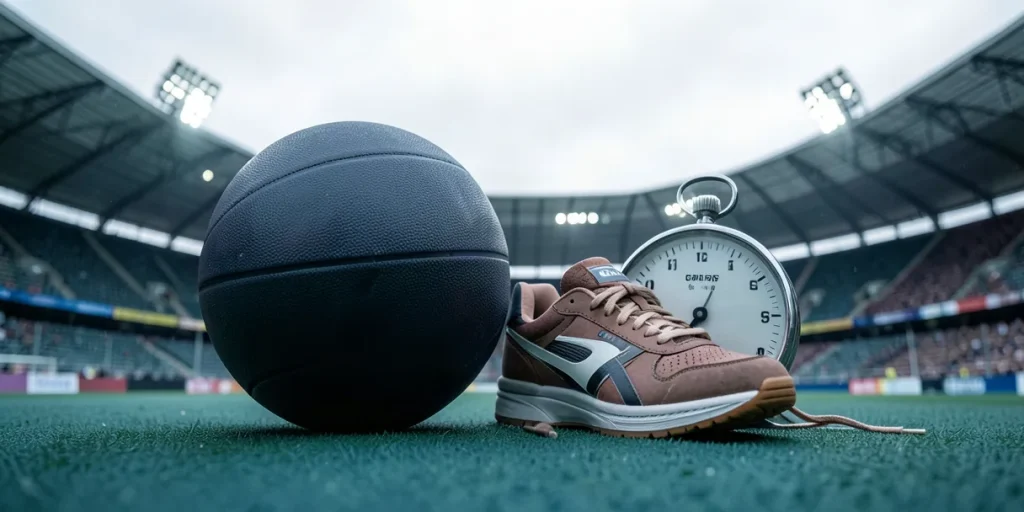
Sports are a crucial factor in maintaining health and socialization, promoting physical development, strengthening immunity, and shaping societal values. Their influence extends beyond physical fitness to psychological well-being, as well as fostering team spirit and discipline.
The fundamental principles of sports include regular training, balancing exertion with rest, and respecting opponents and game rules. Understanding these principles helps effectively use sports as a tool for disease prevention and personal growth. It is important to consider how sports impact society as a whole by encouraging a healthy lifestyle and strengthening social connections.
For more on the role of sports in today’s world, see our review «Sports 1: A Complete Guide to the Modern Sporting World.» This article focuses on the key aspects of sports’ importance for health and society, revealing its core principles and practical applications.
| Sport | Type of Load | Average Training Duration | Social Impact |
|---|---|---|---|
| Football | Aerobic and Anaerobic | 90 minutes | High — mass participation and teamwork |
| Swimming | Aerobic | 45 minutes | Medium — individual development and health |
| Basketball | Anaerobic | 40 minutes | High — leadership and team spirit |
| Yoga | Static and Dynamic | 60 minutes | Medium — mental and physical health |
| Track and Field | Aerobic | 30–60 minutes | Medium — individual achievements |
- 150 minutes per week minimum physical activity recommended by WHO for adults
- 30% reduction in cardiovascular disease risk thanks to sports
- 1500–3500 ₽/month average cost of a gym membership in Russian cities
- 4 billion ₽ budget of the “Accessible Sports” program for 2024–2028
- 60+ number of sports officially recognized by the Russian Ministry of Sports
What Is Sport and What Standards Define Its Basic Principles?
Legal Framework
In Russia, sport is defined by Federal Law No. 329-FZ dated December 4, 2007, as organized activity aimed at physical improvement and achieving high results in competitive events. Currently, the Ministry of Sports of Russia officially recognizes over 60 sports, including traditional and modern disciplines. The law establishes the legal foundation for organizing sports events and guarantees state support for athletes and sports organizations.
International Standards
The International Olympic Committee (IOC) develops competition standards to ensure uniform rules for participants and organizers worldwide. For example, specifications for sports equipment are strictly regulated — the FIFA size 5 football must weigh between 410 and 450 grams, ensuring equal conditions for all teams. Such standards promote fair competition and athlete safety.
- Minimum weight of FIFA football: 410 g
- Maximum weight of FIFA football: 450 g
- Number of officially recognized sports in Russia: over 60
- Date of adoption of Russia’s sports law: December 4, 2007
How Does Sport Affect Physical Health?
Activity Recommendations
Regular participation in sports significantly improves physical health, reducing the risk of cardiovascular diseases by an average of 30%. The World Health Organization recommends at least 150 minutes of moderate physical activity per week to maintain health and prevent chronic illnesses.
Optimal physical load helps strengthen the heart muscle, improve circulation, and lower cholesterol levels. For many city residents, gym memberships costing between 1500 and 3500 rubles per month make regular workouts a realistic way to stay healthy.
Technology and Accessibility
- Fitness trackers like the Garmin Forerunner 265 allow users to monitor heart rate, steps, and training intensity, helping maintain recommended physical activity levels.
- Modern gadgets enable tailoring exercise loads to individual needs and tracking progress without specialist visits.
Thus, sports combined with modern technology provide an effective and accessible way to improve physical health, as evidenced by reduced heart disease risk and better overall well-being.
Why Is Sport Important for Social Development and Integration?
Inclusivity and Adaptation
Sport plays a key role in social integration by providing equal access and participation opportunities for people with diverse abilities. For example, the “Sports Without Borders” Foundation runs adaptive sports programs for people with disabilities, involving over 1500 participants annually. These initiatives include specialized training and competitions, enabling integration into society through active sports engagement.
Such programs support not only physical development but also foster a sense of community belonging, reducing social isolation. The implementation of adaptive sports standards according to national recommendations from 2025 expands opportunities for disabled athletes in team sports such as wheelchair basketball.
Social Effects
Sports clubs and sections significantly reduce juvenile delinquency, lowering it by up to 20% among involved teenagers. Active participation in team sports like volleyball and basketball promotes leadership skills and cooperation among youth. Development of these sports in 2026 is supported by regional sports school programs with budgets ranging from 30 to 50 million rubles.
- The Russian Football Cup annually attracts over 10 million spectators, strengthening social cohesion and national identity.
- Regional festivals and championships attract investments between 100 and 200 million rubles, stimulating infrastructure development and local economies.
What Are Common Limitations and Mistakes in Sports Practice?
Physiological Risks
Overtraining is a frequent mistake — exceeding 10 hours of intense training weekly without adequate rest leads to weakened immunity and higher injury risk. This is particularly relevant for amateurs who neglect recovery periods, increasing chances of joint and muscle damage.
Insufficient warm-up also greatly raises injury risk — in amateur sports, injuries can reach 30%. For instance, skipping pre-training warm-ups increases the likelihood of sprains and muscle tears, as confirmed by sports preparation standards effective since 2024.
Preparation Errors
- Poor nutrition — protein intake below 1.2 g per kg of body weight slows muscle recovery and reduces endurance.
- Using inappropriate gear, such as shoes without cushioning, increases stress on knee and ankle joints and can cause chronic injuries.
- The cost of quality sports shoes, like Asics Gel-Nimbus models, starts at about 8000 rubles, but they provide necessary support and reduce injury risk.
How Is Sport Integrated into the Modern Economy and Technology?
Market and Investment
In 2026, sport holds a significant place in Russia’s economy, with the sports goods market exceeding 150 billion rubles. Infrastructure investments are growing, especially in ice arena construction, where a single facility costs at least 1.5 billion rubles. Such projects create jobs and support regional sports programs.
Additionally, government and private companies invest in improving sports facilities, directly influencing mass and professional sports development. This expands the industry’s economic potential and stimulates demand for sports equipment and services.
Technological Innovations
The adoption of digital technologies is a key element in the sports industry: platforms like Catapult analyze and monitor athlete performance in real time. This allows training optimization and injury risk reduction.
- VR training with specialized glasses creates immersive workout programs with personalized intensity.
- Mobile apps offer individualized training plans tailored to users’ goals and physical condition.
Thus, technologies not only improve athlete preparation but also broaden access to sports for a wide audience, promoting a healthy lifestyle.
What Measures Are Taken to Promote Sports Among Different Age Groups?
Government Initiatives
To promote sports across various age groups, the “Accessible Sports” program operates with a 4 billion ruble budget for 2024–2028. The program funds the creation and modernization of sports infrastructure, as well as free or discounted classes. From 2025, new standards for school physical education increase activity to at least 3 hours per week, aiming to establish regular sports habits among children and teenagers. Special attention is given to seniors: the Ministry of Health recommends adapted physical activities, and specialized sections for this population offer age-appropriate classes that support health maintenance and an active lifestyle.
Mass Events
A key tool for engaging different age groups in sports is mass events like the All-Russian Run “Nation’s Cross,” which annually attracts over one million participants nationwide. These events encourage broad participation and build a sports culture, uniting families and communities. Additionally, sports festivals and city competitions held regularly provide access to sports not only for youth but also adults, creating conditions for consistent practice and increased physical activity among the population.
Frequently Asked Questions
What physical activity standard does WHO recommend for adults?
Which sports are best for strengthening the cardiovascular system?
What is the average gym membership cost in Russia in 2026?
What causes the highest injury risk in sports?
Which government programs support mass sports in Russia?
Key Takeaways
- Sport is regulated by Federal Law No. 329-FZ and IOC international standards
- Regular physical activity reduces heart disease risk by one third
- Sport fosters social integration and leadership development
- Overtraining and poor practices increase injury risk
- Russia’s sports market exceeds 150 billion rubles and actively integrates technology