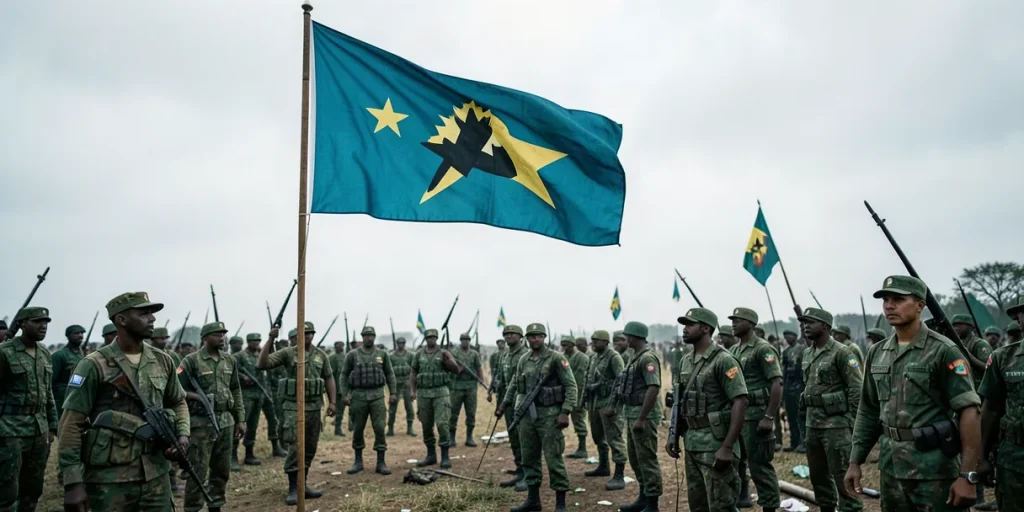
Soldier Uprising and Hostage Taking
On August 27, 2026, a soldier uprising occurred in Niger, with several Russian military personnel taken hostage. This event marks a significant turning point for a country with a long history of military coups and has drawn the attention of the international community to the instability in the region. The hostage situation arose amid growing discontent among service members regarding their working conditions and pay levels.
According to local media, around 15 soldiers involved in the uprising are demanding better working conditions and salary increases, which currently amount to less than 200 US dollars per month. This incident also reflects broader social and economic issues facing Niger, including a high unemployment rate of 12% and poverty affecting approximately 45% of the population.
Historical Context of Military Coups
Military coups in Niger have their roots in the country’s colonial past, having gained independence from France in 1960. Since then, Niger has experienced several coups, the most recent occurring in 2021, when the military overthrew President Mahamadou Issoufou. Such events highlight the fragility of democratic institutions and the prevalence of military culture in the country.
According to the International Institute for Security, at least 5 major coups and over 10 attempts have occurred in Niger since 1960. This has created an atmosphere of instability where the military has become a key player in political life, complicating the realization of civil rights and freedoms.
International Community Reaction
The international community quickly responded to the events in Niger. The United Nations and the African Union expressed deep concern about the situation and called for the immediate release of the hostages. The incident has also attracted the attention of countries like France and the United States, which have interests in the region and provide military assistance to Niger in its fight against terrorism.
As of August 2026, Niger receives approximately 100 million dollars annually in military aid from the U.S., aimed at combating groups like Boko Haram. Any further escalation of violence could jeopardize this aid and trigger new sanctions from the international community, exacerbating the economic situation in the country.
Economic Consequences of the Uprising
The situation surrounding the soldier uprising has already led to economic consequences for Niger. Analysts estimate that if instability continues, the country’s economic growth could slow to 2% in 2026, significantly lower than the expected 5%. This could lead to a deterioration in citizens’ living conditions, as most of the population relies on agriculture and small enterprises, which are vulnerable to risks from political uncertainty.
Furthermore, the uprising may negatively impact foreign investments, which totaled around 1.3 billion dollars in 2025. Investors may postpone or cancel projects in Niger, leading to additional job and income losses for the population, increasing poverty levels and social tension.
Expert Opinions on Niger’s Future
Security experts suggest that the uprising may signal growing discontent within the armed forces, which could lead to further unrest. Dr. Aminata Sidibe, director of the Niger Institute for Strategic Studies, notes that urgent action is needed to address issues such as corruption and lack of resources to prevent further coups.
It is also crucial for the international community to support Niger in strengthening democratic institutions and addressing social issues. Otherwise, the country may find itself in a vicious cycle of instability, with the military continuing to play a central role in politics.
The soldier uprising in Niger highlights deep historical and contemporary issues that require careful analysis and action.