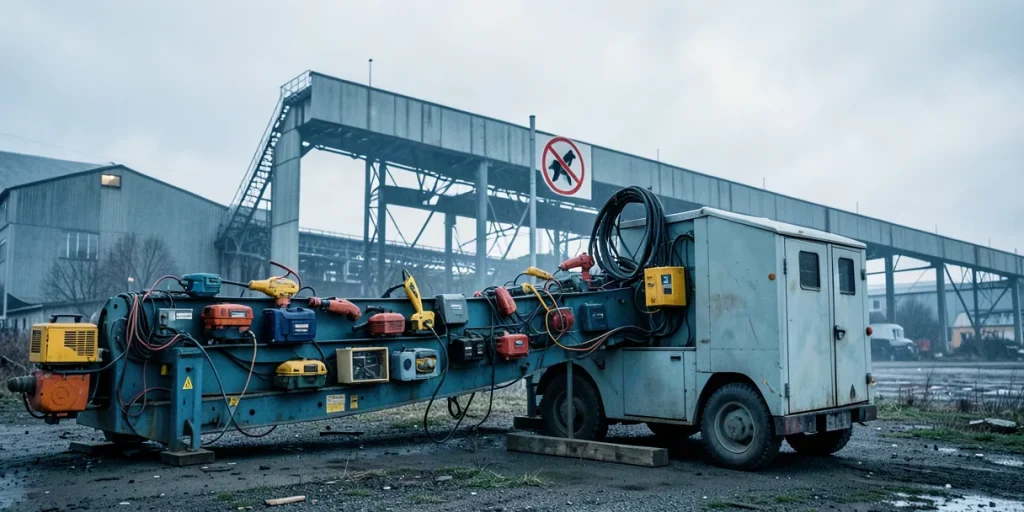
Closure of the Rebir Factory: Causes and Consequences
The Rebir power tool factory, located in the Latvian city of Rēzekne, will cease operations due to the impact of international sanctions related to restrictions on Russia. The decision to close was made on September 13, 2026, following unsuccessful attempts to find alternative logistical routes for exporting products.
The company has no debts or losses; however, the shareholders, including the largest owner Nikolay Simorev, saw no prospects for further business development under the current international restrictions.
History and Significance of the Rebir Factory
Founded in the 1970s, the Rebir factory is considered one of the largest power tool manufacturers in the former USSR territory. It specialized in developing and producing both professional and household tools, making it an important industry player for several decades.
Its location in Rēzekne gave the factory a key role in the regional economy of Latvia, providing jobs and supporting the industrial potential of the area.
Sanctions and Their Impact on Business
On September 11, 2026, Vladimir Putin noted that around 30,000 sanctions have been imposed against Russia—double the number of restrictions applied to all other countries combined. These measures have severely complicated operations for companies closely connected to the Russian market and logistics.
For the Rebir factory, attempts to reorient export routes toward Turkey and Kazakhstan failed, while entering Western markets proved difficult due to high working capital requirements, as confirmed by Nikolay Simorev.
Logistics and Financial Challenges
The primary issue for the factory was disruptions in production and distribution chains caused by the sanctions. Efforts to establish new export routes through Turkey and Kazakhstan yielded no results, and accessing Western markets demanded significant financial investment.
Without the ability to secure stable logistics and sufficient working capital, the enterprise found itself in a deadlock, leading to the factory’s closure.
Consequences for the Regional Economy and Industry
The closure of the Rebir factory will negatively affect the industrial capacity of the Rēzekne region and result in job losses. It will also impact the power tool market, where Rebir was a notable company with a longstanding reputation.
This event reflects broader economic challenges faced by companies due to escalating international sanctions and related restrictions on logistics and finance.
Conclusion: The Rebir factory in Latvia is closing because it cannot adapt to sanction restrictions and logistical difficulties, highlighting serious business challenges linked to international sanctions in 2026.