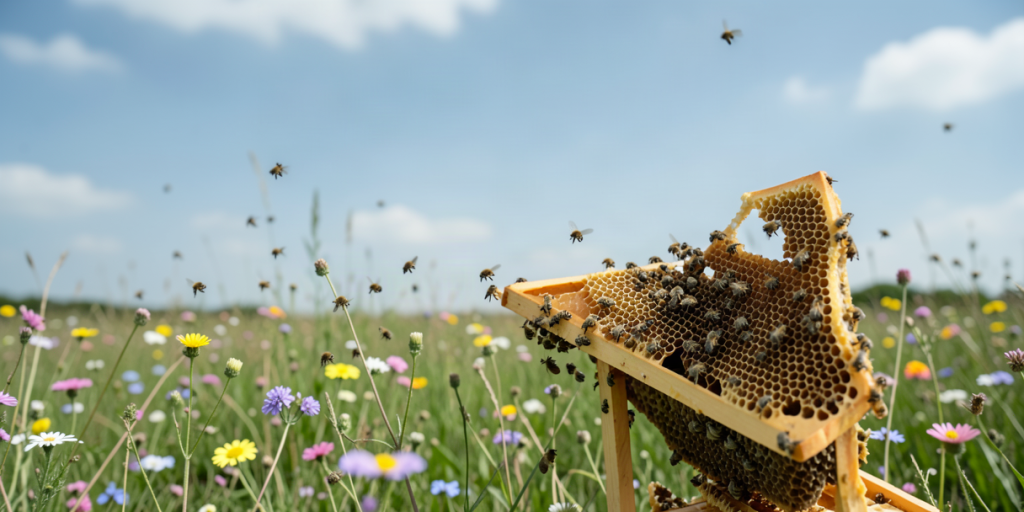
The Honey Savior is not just a holiday but also an opportunity to share warmth and joy with loved ones. Every year on this day, we celebrate the arrival of autumn, gathering the harvest and enjoying the fruits of our labor. Postcards for the Honey Savior become a wonderful way to express feelings, convey congratulations, and wish health and happiness. They bring joy not only to the recipients but also to those who create them.
In our article, we have collected over 50 unique images and greetings that will help make this day even more special. Whether traditional motifs or modern designs, each postcard will be a small gift that warms the soul and creates a festive atmosphere. Dive into the world of creativity and choose the postcards that best reflect your feelings on this wonderful day!
History and Traditions of the Honey Savior
The Honey Savior, celebrated on August 14, is the first of three Saviors in the Orthodox tradition. This holiday has deep roots in the history of Christianity and symbolizes not only the beginning of the honey harvest but also spiritual purification before the Dormition Fast. In Orthodox culture, the Honey Savior is celebrated as a day when believers can recognize the importance of honey as a symbol of the sweetness of life and blessing. On this day, it is customary to bless honey, which becomes not only a treat but also a part of spiritual practice.
The traditions associated with the Honey Savior are diverse and unique. On this day, people gather around the table to share honey and treats made with it. Beekeepers bring their products to the church for blessing and then share them with family and friends. Tables can be seen not only with honey but also with dishes that include it, such as honey gingerbread and pies. Additionally, there is a folk tradition of making special postcards with honey motifs, which are sent as congratulations.
The Honey Savior fits into the cycle of other Saviors, such as the Makovey and the Dormition Savior, thus forming a rich calendar of Orthodox holidays. Each of these Saviors has its own symbols and meanings; however, the Honey Savior holds a special place as it embodies the joy and abundance associated with the fruits of the labor of beekeepers. It is important to note that this holiday not only calls for spiritual purification but also reminds us of the need to care for nature and the environment, as bees play a key role in the ecosystem.
Thus, the Honey Savior is an important event in the lives of believers, uniting people and reminding them of the values of friendship, family, and spirituality through the sweetness of honey and the joy of communication.
Congratulations and Wishes for the Honey Savior
The Honey Savior, celebrated on August 14, is a wonderful opportunity to share warmth and care with loved ones. On this day, it is customary to send greetings and postcards filled with good wishes and the symbolism of the holiday. Postcards decorated with images of honeycombs, bees, and wildflowers create an atmosphere of joy and unity. Don’t forget to add sincere words to your congratulations that will warm the hearts of your relatives and friends.
For decorating your greetings, you can use creative ideas that will make your message even more memorable. Try creating a postcard with poppy flowers or drawing a gingerbread — this symbolizes the sweetness of life and abundance. Additionally, you can add a small poem or a funny wish to the postcard that will bring a smile. For example:
- “May your life be a barrel of honey, and bitterness — just for taste balance!”
- “Happy holiday! May every day be as sweet as honey!”
- “Happy Honey Savior! May joy and happiness fill your life!”
Funny and humorous wishes are also great for congratulations. They will create a light and relaxed atmosphere and help emphasize your good mood. For example, you might write: “Congratulations on the Honey Savior! I wish your life to be as sweet as honey but without the bees!” Such creative approaches will make your congratulations unique and memorable.
Remember, the most important thing is the desire to share joy and warmth with those who are dear to you. May every recipient of your postcard feel your care and love on this wonderful holiday!
Best Postcards for the Honey Savior 2026
The Honey Savior, celebrated on August 14, has become not only an important religious holiday but also a wonderful opportunity for greetings and postcard exchanges. In 2026, this holiday once again attracts attention with its unique and beautiful postcards that can be sent to family and friends. This year, images of honeycombs, bees, and wildflowers, symbolizing the sweetness of life and the joy of communication, are especially popular. Postcards designed in soft pastel colors create a festive and cozy atmosphere, making them ideal for conveying warm wishes.
When choosing a postcard for the Honey Savior, it is worth considering the interests and preferences of the recipient. For friends who love humor, postcards with funny images and witty greetings will be suitable. For loved ones who appreciate tradition, you might choose more classic options adorned with elements of folk art, such as poppy flowers or gingerbread. Also, don’t forget about the option of sending digital postcards through messengers or social networks — this allows for a quick and convenient way to share your feelings.
In 2026, new trends in postcard design for holidays are emerging. More and more designers prefer a minimalist style, combining simplicity of form with bright accents that make the postcard more expressive. The use of eco-friendly materials and handmade products is also gaining popularity, attracting the attention of those concerned about nature and sustainable development. In addition to traditional elements, many postcards contain warm congratulations and wishes, giving them special significance and emotional value.
In conclusion, the Honey Savior is not only a holiday but also a wonderful opportunity to express your feelings through postcards. Don’t miss the chance to choose or create a unique postcard that will be a pleasant surprise for your family and friends on this special day.
How to Send Postcards in 2026
In 2026, sending postcards for the Honey Savior has become even more diverse thanks to the development of technology and the popularity of messengers and social networks. Now it is easy to congratulate loved ones on this holiday using apps like WhatsApp, Viber, Instagram, or Facebook. Many users choose digital postcards decorated with bright images of honeycombs, bees, and wildflowers that perfectly convey the festive atmosphere. Sending such postcards takes just a few seconds and allows you to instantly share greetings with friends and family, regardless of distance.
However, despite the convenience of digital postcards, paper options still have their advantages. They add special significance to the greeting and can become a pleasant surprise for the recipient. Paper postcards can be embellished with handwritten wishes and personal touches, making them unique. However, it is worth considering the downsides: sending paper postcards takes more time, requires spending on postal services, and may depend on the postal service.
For those who want to add a special touch to their greetings, there are many ideas for creating unique postcards by hand. Here are a few suggestions:
- Use natural materials such as dried flowers or leaves to decorate the postcard.
- Create a collage of old photos related to the holiday or memories of shared moments.
- Write your greeting in calligraphy to add an artistic element.
- Design a postcard using watercolor paints, creating picturesque landscapes or abstract patterns.
A creative approach to making postcards for the Honey Savior can not only please your loved ones but also become an engaging activity for the whole family. Ultimately, regardless of the chosen method of sending, the main thing is the sincerity and warmth of your wishes.
Culinary Traditions of the Honey Savior
The Honey Savior, celebrated on August 14, symbolizes the beginning of the harvest season and is closely tied to the traditions of the Orthodox calendar. On this day, it is customary to prepare a variety of dishes and desserts using honey, which is considered not only a tasty but also a healthy product. In every region of Russia, there are unique recipes that have been passed down through generations. For example, popular are honey pies, gingerbread, and kalach, which not only delight with their taste but also create a festive atmosphere.
Traditionally, honey is used in treats that are served on the table on this day. One of the main delicacies is honey, which is usually placed in the center of the table, surrounded by fruits and nuts. Honey tinctures and drinks that provide special sweetness and aroma are also popular. On the Honey Savior, it is customary to prepare dishes such as honey porridge, symbolizing abundance and prosperity, as well as sweet casseroles with honey and berries, which serve as a wonderful dessert.
When choosing honey for the holiday, it is important to pay attention to its quality. Real honey has a distinctive aroma and flavor, and its consistency should be uniform. To avoid mistakes in purchasing, it is best to buy honey from trusted beekeepers or in specialized stores. It is also useful to know that natural honey rarely crystallizes, and if it does, it does not indicate poor quality, but rather its naturalness. It is important to remember that honey collected in different regions can vary in taste and aroma, depending on the vegetation from which the bees collected nectar.
Thus, the Honey Savior is not only a holiday but also an opportunity to enjoy delicious and healthy food, emphasizing family and cultural traditions. By sending greetings and postcards with images of honey and related treats, we continue to preserve and pass on these valuable traditions to our loved ones.
The Honey Savior in Different Regions of Russia
The Honey Savior, celebrated on August 14, is an important holiday in Russia, symbolizing the beginning of the harvest and being the first of three Saviors. In various regions of the country, this holiday takes on its unique features, reflecting local traditions and culture. For example, in Tula, the Honey Savior is celebrated with special attention to honey, and local beekeepers often hold fairs where they offer their sweet products. In Moscow and St. Petersburg, the celebrations include mass processions and concert programs featuring folk songs and dances.
In the Far East, particularly in Kamchatka, the Honey Savior is also celebrated, but with the addition of local traditions. Here, people gather by the ocean, have picnics, and enjoy dishes prepared with honey, symbolizing unity with nature. In Siberia, residents celebrate the holiday with family, preparing traditional pies with honey and berries, creating an atmosphere of coziness and warmth.
Interestingly, in some regions, such as the Stavropol Territory, the Honey Savior coincides with the celebration of the harvest day. On this day, people bring honey and other products to the church for blessing. This event strengthens ties between communities and creates an opportunity for exchanging experiences and traditions.
Furthermore, in Russian villages and towns, the Honey Savior is celebrated with particular pomp: masquerade parades are organized, where participants dress up in costumes of bees and floral characters. These events become a bright summer highlight, gathering people of all ages. It can be noted that in recent years, the celebration has become increasingly popular, thanks to the active use of social networks, where people share their greetings and postcards featuring images of honeycombs and wildflowers.
Thus, the Honey Savior unites people across the country, preserving the richness of local traditions and creating an atmosphere of joy and kindness.
Tips for Choosing Honey
Choosing quality honey in a store can be a challenging task, especially considering the variety of types available on the market. When purchasing honey, pay attention to its appearance, color, and aroma. Real honey has a distinctly natural taste and aroma that depend on the source of the nectar. If you notice that the honey has a sharp smell or is overly sweet, it likely indicates the addition of sugar or other impurities. It is also worth remembering that quality honey should not be too liquid — it should have a thick texture.
There are many varieties of honey, each with unique properties. For example, linden honey is known for its anti-inflammatory and antiseptic properties, while buckwheat honey is rich in iron and beneficial for strengthening the immune system. The color and flavor of honey depend on the plants from which the bees collect nectar. Pay attention to these characteristics when choosing: for instance, floral honey can vary from light yellow to dark brown, and the taste can range from light floral to rich caramel.
Proper storage of honey also plays a crucial role in preserving its beneficial properties. Honey should be stored in a dark, dry, and cool place, preferably in glass or ceramic containers with a tightly sealed lid. Avoid storing honey in plastic containers, as this can lead to spoilage due to the release of harmful substances. Additionally, honey should not be heated, as this can destroy important vitamins and enzymes. By following all these conditions, your honey can delight you with its taste and health benefits for a long time.
In conclusion, when choosing honey, focus on its appearance, aroma, and composition, and pay attention to storage conditions to preserve all the beneficial qualities of this wonderful product.
Modern Trends in Greeting Cards
Modern greeting cards have become an integral part of celebrating the Honey Savior, which is celebrated on August 14. Technologies, including digital platforms and messaging apps, have significantly changed the approach to creating and sending cards. Now many prefer to use electronic postcards that can be easily customized, adding personalized messages and images. These postcards are often decorated with bright illustrations reflecting the festive atmosphere — honeycombs, bees, wildflowers, and traditional sweets like gingerbread. This approach allows not only to preserve traditions but also to adapt them to modern conditions.
In 2026, bright trends in the design of greeting cards are observed. Popular styles include minimalism with an emphasis on natural colors and textures. “Boho” style cards with handmade elements and unconventional shapes are also becoming increasingly relevant. The use of these styles helps create unique and memorable greetings. Additionally, in recent years, there has been a growing interest in postcards designed in watercolor style, which adds tenderness and artistic flair.
Ecology and sustainable design are becoming important aspects of creating greeting cards. More and more people prefer cards made from recycled materials, as well as cardboard products that can be easily recycled. This reflects the general trend towards conscious consumption and care for the environment. Modern designers are actively working to create cards that not only please the eye but also have minimal negative impact on nature.
Thus, the modern approach to greeting cards for the Honey Savior combines traditions, innovations, and care for the environment, offering a wide selection for those who want to congratulate loved ones on this bright holiday.
Frequently Asked Questions
When is the Honey Savior celebrated in 2026?
What traditions are associated with the Honey Savior?
Where can I find postcards for the Honey Savior?
Key Takeaways
- The Honey Savior is an important holiday with deep traditions.
- Postcards are a great way to congratulate loved ones.
- The culinary traditions of the holiday are diverse and interesting.
Sources
Izvestia, gazeta.ru, kp.ru, rbc.ru, ura.news