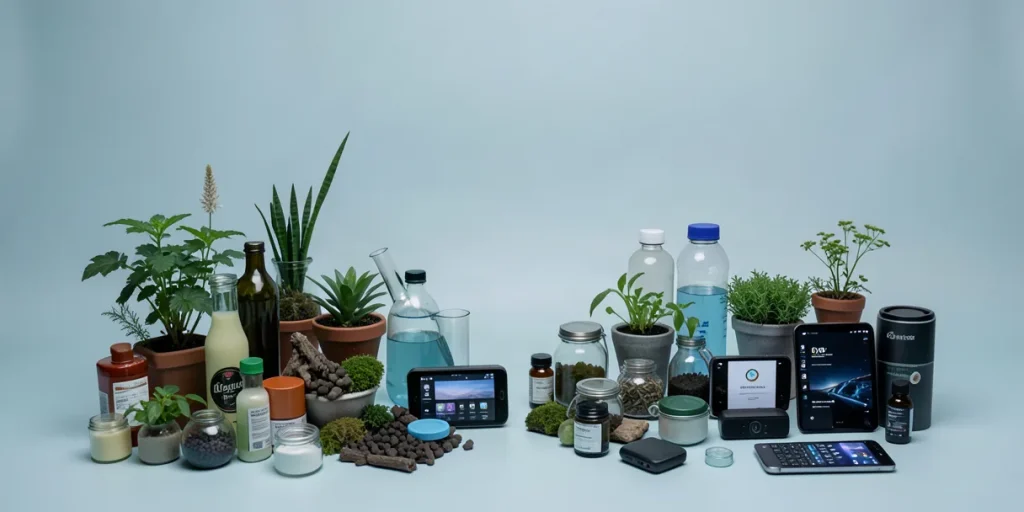
In 2026, a vivid change in consumer preferences is observed, linked to the deep influence of culture on the choice of goods and services. Globalization, digitization, and the development of social networks are shaping new trends that define not only what we buy but also how we perceive brands and their values. Culture is becoming an integral part of the consumer experience, forcing companies to adapt to changes in public opinion and customer expectations.
In this context, it is important to understand how cultural trends affect consumer preferences. We are seeing a growing interest in eco-friendly products, local producers, and ethical practices. All of this indicates that modern buyers are becoming more conscious and demanding not only quality from brands but also social responsibility. In this article, we will examine the key factors contributing to these changes and their impact on the market in 2026.
The Influence of Culture on Consumer Preferences
The influence of culture on consumer preferences in 2026 is becoming increasingly noticeable. Modern cultural trends shape the choice of goods, placing particular importance on individualized and eco-friendly products. Generation Zalpha, raised in the era of digital technology, strives for conscious consumption, which is reflected in their preferences. They seek not just products, but experiences that align with their values and lifestyle. This leads to the growing popularity of brands that actively support environmental initiatives and social responsibility.
Nostalgia and local cultures also play an important role in shaping consumer preferences. Many young people turn to products that evoke memories of childhood or the traditions of their region. This desire for authenticity creates demand for local goods and artisanal products, which in turn supports small businesses and promotes cultural diversity. Brands that can incorporate nostalgic elements into their marketing strategies resonate with consumers who wish to blend modernity with tradition.
Social changes, such as increased awareness of health and sustainability, are transforming societal values. More and more people are rejecting mass consumption in favor of a more responsible approach. This is manifested in the preference for products with minimal environmental impact and a desire for a healthy lifestyle. Consumers are becoming more demanding, and brands must adapt to these changes by offering solutions that meet new demands.
Thus, cultural trends, nostalgia, and social changes shape unique consumer preferences that will continue to evolve in the coming years. Brands capable of capturing and adapting to these changes will gain a competitive advantage in the market.
Generation Zalpha: New Standards of Consumption
Generation Zalpha, representing the first true digital natives, is significantly changing consumer preferences in 2026. Their expectations and preferences are shaped by the constant connectivity provided by modern technology. This generation brings new standards, demanding greater transparency, personalization, and a conscious approach to ecology from brands. They seek unique and individualized products that reflect their values and lifestyle. Unlike previous generations, Zalpha is less attached to traditional brands and prefers to choose products based on their quality and alignment with personal ideals.
Key factors influencing consumer choices in this generation include individualized and eco-friendly products. Modern consumers pay attention to the composition, origin, and packaging of goods. They seek solutions that minimize negative environmental impact. This explains the rise in popularity of brands that actively employ sustainable practices and offer eco-friendly alternatives. Additionally, Zalpha emphasizes conscious consumption, which is reflected in their preference for reusable and recyclable products.
Constant connectivity also plays an important role in brand choice. Social networks and online platforms have become the main communication channels where young consumers share opinions and recommendations. Thus, a brand’s reputation is formed not only through traditional advertising but also through user reviews and discussions. Zalpha consumers actively engage with brands, expecting quick responses and participation in dialogue. This creates new challenges for companies that must adapt to the demands of the generation to remain competitive in the market.
Ultimately, Generation Zalpha is not only changing the game in consumer behavior but also setting new trends that will define the future of the market. Brands that can understand and cater to the needs of this generation have a strong chance of success in a rapidly changing consumer landscape.
Conscious Consumption and Its Manifestations
In 2026, conscious consumption becomes one of the key trends embodying changes in consumer preferences, which are increasingly shaped by cultural factors. Eco-friendliness and the sustainable choice of products occupy an important place in the minds of modern consumers, especially among representatives of Generation Zalpha. These young people strive to purchase not just goods, but products that reflect their values and concern for the planet. Brands that actively implement eco-friendly technologies and maintain a transparent sustainability policy gain a noticeable advantage in the market.
Social status also significantly influences consumer preferences in brand choice. People seek to associate themselves with certain brands that correspond to their social standing and personal values. In the face of growing competition in the market, companies must consider this aspect by offering unique and personalized products. In this context, conscious consumption becomes not only a manifestation of care for nature but also a means of self-expression, highlighting the individuality and status of the buyer.
Technology plays an important role in tracking expenses and managing personal finances. Modern consumers actively use various digital tools and apps to monitor their spending. This allows them not only to manage their budget effectively but also to make more conscious spending decisions. Through technologies such as smart financial tracking apps, clients can easily analyze their habits and preferences, promoting more responsible consumption and reducing impulsive purchases.
Thus, in 2026, conscious consumption manifests itself in the pursuit of eco-friendliness, the influence of social status on brand choices, and the active use of technology for expense tracking. This trend underscores the importance of an individualized approach and social responsibility for both consumers and companies.
Technological Achievements and Consumer Behavior
In 2026, there is a significant influence of digitization on the choice of goods and services. Consumers are becoming increasingly dependent on technology, which changes their approach to shopping. Modern technologies allow for easy comparison of offers, reading reviews, and obtaining information about products in real time. This leads to more conscious consumption, where buyers strive not only for quality but also for the eco-friendliness and ethics of products. Generation Zalpha, raised in the age of the internet, actively supports brands that align with their values, such as sustainability and social responsibility.
New ownership models are also becoming increasingly popular. Instead of the traditional approach to purchasing goods, many consumers prefer renting or subscription services. This allows them to save money and reduce the number of unnecessary items, which aligns with the trend of conscious consumption. Additionally, such models provide flexibility and accessibility, which is especially important for young people seeking variety in their experiences. The emergence of exchange and sharing services also stimulates this trend, as they offer an alternative to traditional forms of ownership.
Technologically convenient solutions occupy a central place in the life of the modern buyer. Smart apps and platforms for personal finance management help people control their expenses and optimize purchases. Furthermore, the use of artificial intelligence and data analytics allows brands to offer personalized advertising proposals, which also influences consumer choice. As a result, buyers increasingly expect from brands not only quality but also a high level of service and convenience in interactions.
Thus, in 2026, changes in consumer behavior are driven by the active influence of culture, digitization, and new technologies, shaping unique trends and preferences among different generations.
Social Networks as Trend Drivers
Social networks play a key role in shaping consumer preferences in 2026. They have become not only platforms for communication but also powerful tools influencing the choice of goods and services. The emergence of new social media, such as TikTok and Instagram, has opened new horizons for brands seeking to attract audience attention. Users increasingly seek inspiration and recommendations in these spaces, making them important channels for product promotion.
Bloggers and influencers have become indispensable players in the market. Their influence on consumer preferences cannot be underestimated—many young people trust the opinions of these individuals more than traditional advertising. This is because influencers create authentic content that resonates with their followers. Generation Zalpha, which actively uses social networks, prefers personalized and eco-friendly products. Brands that use influencers to promote their products have a greater chance of attracting attention and gaining the trust of this audience.
Content created on social networks also changes the perception of brands. On one hand, positive reviews and quality content contribute to strengthening a company’s image. On the other hand, negative comments or scandals can quickly undermine a brand’s reputation. In 2026, consumers have become more conscious and demanding, which has also reflected in their interactions with brands. They evaluate not only the product but also the company’s values, its approach to ecology, social responsibility, and innovation.
Thus, social networks act as drivers of modern trends, and their influence on consumer preferences continues to grow. Brands must adapt to changes in cultural and social norms to remain competitive and meet the expectations of their audience.
Cross-Cultural Influences on Consumption
Globalization has a significant impact on consumer preferences and habits. In 2026, local markets are increasingly adapting to global trends such as conscious consumption and ecology. Consumers, especially representatives of Generation Zalpha, are becoming more demanding of producers, expecting not only high quality but also ethical practices in production processes. This leads many brands to reassess their strategies by implementing sustainable practices and offering personalized solutions that align with the values of their target audience.
Comparing consumer habits across different cultures shows that despite the overall influence of globalization, cultural specifics remain significant. For example, in some countries, the emphasis on health and eco-friendliness of products may be more pronounced, while in others, preference may be given to traditional and local goods. This diversity of consumer habits often reflects not only economic factors but also cultural, historical, and social aspects. Therefore, brands must consider local contexts when forming their offers to effectively attract consumer attention.
Cultural exchanges occurring as a result of globalization contribute to the formation of new trends. Modern technologies allow for faster dissemination of ideas and goods worldwide, leading to a blending of cultural elements. For instance, the popularity of Eastern cuisine in Western countries or the interest in Western fashion in Asia are just some examples of how cultural influences can change consumer preferences. This mutual influence creates unique opportunities for innovation and diversity in market offerings, which in turn meets the growing consumer demand for uniqueness and originality.
Thus, cross-cultural influences on consumption in 2026 are becoming increasingly noticeable. Brands that can effectively integrate cultural aspects into their strategies have a greater chance of success in the face of dynamic market changes.
Economic Implications of Changes in Consumption
Changes in consumer preferences in 2026 have a significant impact on the economy. One of the key factors contributing to this is the growing interest in conscious consumption and sustainable products. Generation Zalpha, raised in the era of digitization, shows a particular attachment to individualized and eco-friendly goods. This, in turn, creates new demand for certain product categories, such as organic food, recycled materials, and local goods. Producers and retailers, recognizing these changes, begin to adapt their offerings, leading to the transformation of entire market segments.
Amid changing consumer habits, there is also a deepening disparity in demand for traditional goods and innovative solutions. For example, there is a growing popularity of technologies that provide convenience and control over expenses, as well as new ownership models such as renting or subscription. This requires manufacturers and suppliers to be flexible and ready to respond quickly to customer requests. In turn, such changes create new opportunities for small businesses, which can adapt more effectively to changing consumer preferences.
Small businesses often find themselves on the front lines of these changes as they can implement innovative solutions more quickly and offer unique products that meet market demands. For example, small producers can focus on creating localized or niche products that align with the needs of conscious consumers. This leads to increased competition and diversity in the market, ultimately contributing to improved quality of goods and services offered.
Thus, changes in consumer preferences in 2026 not only shape a new economic environment but also create opportunities for innovation and growth across various industries. The primary focus on eco-friendliness and product individualization opens new horizons for entrepreneurs and companies seeking to meet the needs of the modern consumer.
The Future of Consumer Preferences
In 2026, consumer preferences continue to evolve under the influence of cultural changes, which will undoubtedly reflect on the future of trends. Modern consumers, especially representatives of Generation Zalpha, seek not just products but modern solutions that align with their values. This generation, raised in the digital age, places great importance on individualization and ecology. They strive for conscious consumption, choosing products that not only meet their personal interests but also contribute to the sustainable development of the environment.
Brands must take these changes into account and adapt to new requirements. To compete successfully in the market, companies must develop flexible strategies focused on the needs of their target audience. For example, implementing technologies that allow users to easily track the impact of their purchases on nature will be an important step toward gaining consumer trust. It is also worth focusing on creating a unique user experience that is not only convenient but also meaningful for clients.
Cultural changes, such as the growing interest in healthy lifestyles and nostalgia for traditions, have a long-term impact on company strategies. Brands that can integrate these elements into their marketing campaigns will have a competitive advantage. For instance, using stories and values associated with specific cultural aspects can help create a deeper connection with consumers.
In conclusion, adapting to changing consumer preferences requires companies to not only take an innovative approach but also understand the cultural contexts influencing consumer choices. Brands that follow these trends will not only survive but also thrive in a rapidly changing market.
Frequently Asked Questions
What are the main factors influencing consumer preferences?
What is conscious consumption?
How does Generation Zalpha influence the market?
Key Takeaways
- Culture and technology play a key role in changing consumer preferences.
- Generation Zalpha actively shapes trends toward eco-products and individualization.
- Conscious consumption is becoming a mandatory aspect of product choice.
Sources
Kleverens, bellff.com, Kommersant Chelyabinsk, vaael.ru, econs.online
