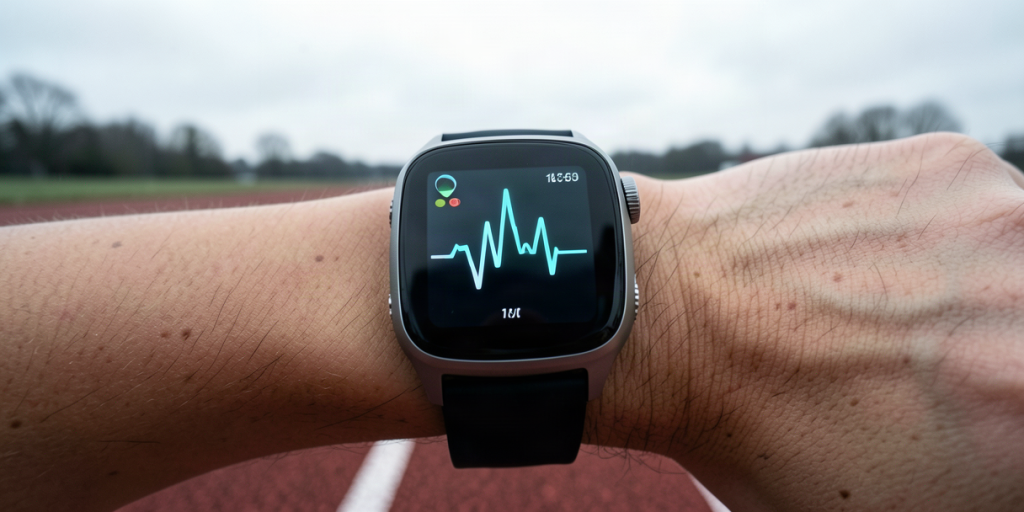
The Revolution of Wearable Technology
Wearable devices, such as fitness trackers and smartwatches, are fundamentally changing the approach to physical activity and medical monitoring. Thanks to high technology, users gain access to real-time health data, allowing them not only to track physical activity but also to receive personalized recommendations for improving their quality of life. Their integration into everyday practice has been made possible by advancements in artificial intelligence and big data.
Personalized Approach to Health
Modern wearable devices offer much more than just step counting. They can analyze users’ health status, including heart rate monitoring, blood oxygen levels, and even sleep quality. This not only helps identify potential issues at early stages but also allows for the creation of individualized training programs based on real data and user preferences. This approach makes fitness more accessible and effective.
User Motivation and Engagement
Fitness trackers and smartwatches not only provide information but also motivate users to lead an active lifestyle. Intuitive interfaces and gamification elements, such as achievements and rewards for meeting goals, enhance engagement. Users strive to reach new heights and monitor their progress, which significantly contributes to improving overall health.
The Future of Wearable Technology
With each passing year, technology becomes increasingly advanced. It is expected that in the coming years, wearable devices will be integrated with other medical technologies, such as telemedicine and health management systems. This will ensure an even higher level of personalization and efficiency in health and fitness. Trends indicate that wearable technology is becoming an integral part of everyday life, opening new horizons for medical monitoring and active living.