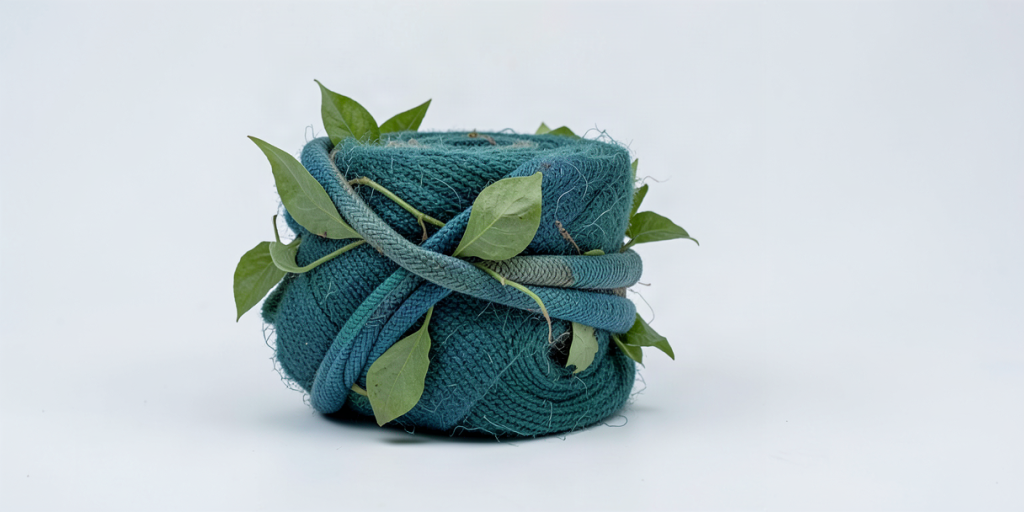
Sustainability as the New Standard
The modern fashion industry is undergoing radical changes in response to growing consumer demands for sustainability. Brands are increasingly moving away from traditional materials like leather and fur, adopting more eco-friendly alternatives. This trend has become especially noticeable in recent years as consumers have begun to actively engage with issues of ecology and social responsibility. Sustainable development is evolving from a mere buzzword to a necessity for survival in a highly competitive landscape.
Environmental Initiatives and Their Impact
Global brands like Prada and Gucci have already taken steps towards sustainability by announcing a ban on the use of natural fur. These initiatives not only reduce negative environmental impacts but also shape a new image for companies focused on ethical practices. Research shows that consumers are willing to pay more for products that align with sustainable development principles, making this approach economically advantageous.
Minimalism and Circular Fashion
The shift towards minimalism and circular fashion is also becoming an important part of sustainable fashion. Consumers are increasingly choosing quality items that will last rather than following fast fashion trends. This leads to reduced production volumes and, consequently, less waste. Brands, recognizing this trend, are adapting their collections to offer more versatile and durable models.
Social Responsibility and Economic Stability
Sustainable fashion is not limited to just environmental aspects. An important component is social responsibility. Brands must care for their workers by ensuring safe working conditions and fair pay. Investments in sustainable development not only enhance the companies’ images but also create a more stable economic environment within the fashion sector. This, in turn, strengthens trust from consumers and partners.
Conclusions and the Future of Sustainable Fashion
Thus, the transition of brands to sustainable practices is not just a fashion trend but a necessity driven by changes in consumer preferences. Sustainable development, minimalism, and social responsibility are becoming key priorities for companies striving to remain competitive in the market. It is essential for this process to continue and evolve, shaping a new era in the fashion industry.
Conclusion: Sustainability in fashion is not only a response to consumer demands but also a step towards a more ethical and responsible future for the industry.