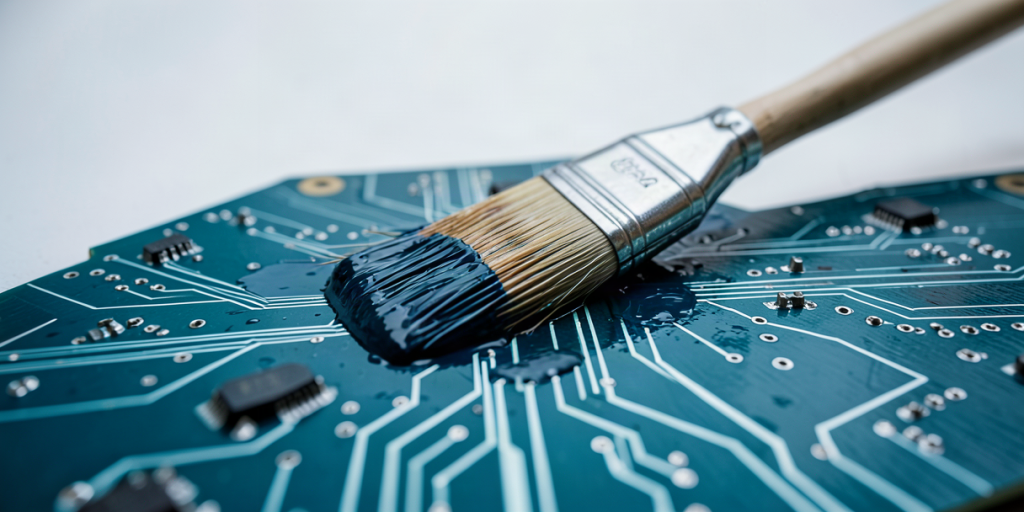
The Digital Revolution in Art
Contemporary artists are increasingly turning to digital technologies for the creation and distribution of their works. The efficiency of these tools allows them to reach a global audience, while traditional art forms face new challenges. Digitalization not only expands creative possibilities but also alters the very nature of the artistic process, opening new horizons for self-expression.
New Tools and Styles
Innovations such as artificial intelligence and virtual reality are becoming integral parts of contemporary art. Artists use AI to generate unique works, while VR enables viewers to immerse themselves in interactive exhibitions. These technologies create new opportunities for collaborations among artists, as well as styles that could not exist in traditional environments.
Changes in the Art Market
Digitalization is also radically changing the art market. The emergence of online galleries and platforms for selling digital works opens new pathways for artists. This allows them to bypass traditional galleries and auction houses, establishing more direct connections with buyers. As a result, new pricing and marketing models are becoming increasingly relevant.
Social and Cultural Changes
The impact of digital technologies on art is not limited to technical aspects. They also foster social changes, enabling representatives of various cultures and communities to share their art on a global stage. This leads to a more diverse and inclusive art space where different voices and perspectives can be represented.